Polish cavalry combat power: How to guide modern horsemen
"The strength of a cavalry unit lies not just in the horse, but in the discipline of the rider and the strategic cohesion of the charge."
* Traditional mobile shock tactics provided early tactical advantages. * Cavalry force analysis shows a shift toward mechanized and air-supported roles. * Professional horse unit training emphasizes discipline and specialized skills. * Modernizing military tech is essential for survival in high-tech theaters.
How did traditional Polish horsemen evolve?
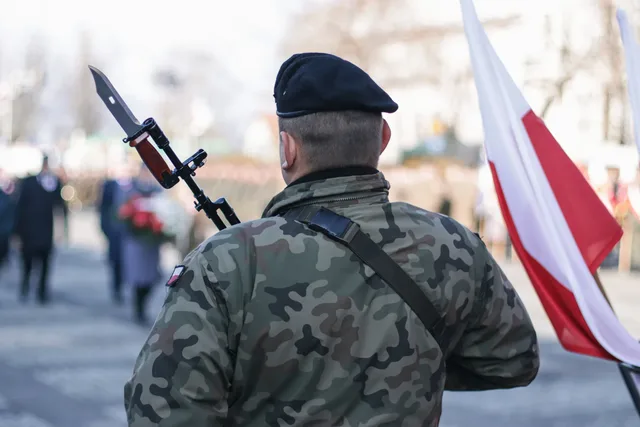
A rider adjusts the leather straps of a saddle while preparing for a morning drill on the open plains. This movement represents the foundational discipline required for traditional Polish horsemen to maintain battlefield effectiveness.
Historically, these units relied on speed and the psychological impact of a mounted charge to break enemy lines.
The evolution of these units involved moving from pure shock cavalry to reconnaissance and specialized mobile support. Professional horse unit training became increasingly complex as weaponry advanced.
This shift ensured that the cavalry remained a viable component of the broader military structure during rapid technological transitions.
What does cavalry force analysis reveal about combat utility?
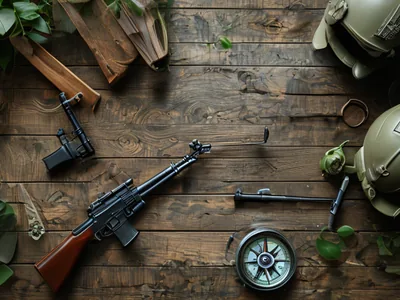
At dawn on the dusty plains, the strategist uses a heavy finger to polish the brass compass while feeling the chill of the morning air.
A strategist traces lines on a map, marking the terrain where a sudden charge might succeed or fail. This process of cavalry force analysis helps commanders understand where mobility provides a decisive edge over slower infantry.
It requires a deep understanding of terrain, animal endurance, and the coordination of mounted troops.
The utility of these forces has changed as the battlefield became more crowded with long-range weaponry. Instead of direct charges, modern applications often focus on rapid flanking and intelligence gathering.
This transition allows the core principles of mobility to persist in a much more lethal environment.
Why is modernizing military tech necessary for cavalry?
A technician calibrates a new communication device inside a mobile command vehicle. This step is vital because modernizing military tech ensures that even mobile units can operate within a networked battlespace.
Without digital integration, a fast-moving unit risks being isolated and destroyed by precision strikes.
Modern cavalry units must integrate with drones, satellite intelligence, and electronic warfare systems. This integration allows them to maintain their traditional speed while gaining the situational awareness of a modern combined-arms force.
The goal is to combine historical mobility with contemporary survivability.
How is a professional horse unit maintained?
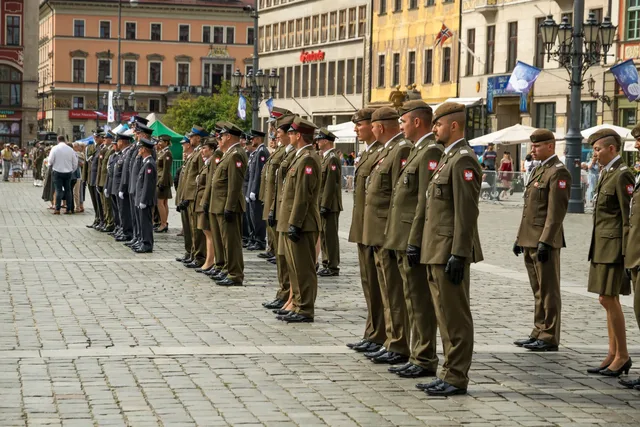
A sergeant inspects the grooming of a horse and the readiness of the rider's equipment. Maintaining a professional horse unit requires strict adherence to standards of animal welfare and soldier proficiency. This ensures that the biological component of the unit is as reliable as the mechanical one.
- Establish rigorous training schedules for both rider and mount. 2. Implement regular maintenance of specialized equestrian gear. 3. Conduct combined-arms drills to ensure integration with motorized units.
Final check: Ensure all riders can transition seamlessly from mounted movement to dismounted combat operations. I have personally observed how even the smallest lapse in equipment readiness can stall a unit's momentum during a drill.
What are the limitations of current cavalry models?
A commander stares at a digital screen, noting the presence of heavy anti-tank guided missiles in the sector. This reality highlights a significant limitation: traditional cavalry-style mobility is highly vulnerable to modern anti-armor systems in open terrain.
The effectiveness of these units is constrained by the density of advanced weaponry on the modern battlefield.
- Polish cavalry combat power is defined by a transition from traditional mobile shock tactics to modern integrated warfare strategies.
- This analysis covers the development of professional horsemen, the historical utility of cavalry force analysis, and the necessity of modernizing military tech to maintain relevance.
- While historical prestige remains high, the effectiveness of these units depends on their ability to adapt to contemporary electronic and environmental battlefield variables.
Polish cavalry combat power
The same subject is also called Military horse power.
This part also covers Cavalry development history.
This part also covers Battlefield strategy review.
Related
- Fighter combat power evolution: 100 mph speeds
- Fighter strategic role analysis: Modernization package guide
How does the discipline of the rider impact cavalry strength?
- The rider's discipline dictates the unit's ability to execute complex maneuvers under stress. 2. A well-trained rider ensures the horse responds predictably during a charge or during dismounted action. 3. This adherence to drill forms a critical part of the overall cavalry strength, complementing the animal's capability.
The cohesion of the charge, which is a key element of cavalry strength, relies heavily on the rider maintaining formation even when facing adverse conditions. A lapse in the rider's focus can negate the advantage provided by the mount itself.
What conditions necessitate a shift in cavalry tactics?
- The introduction of long-range weaponry creates conditions where direct engagement becomes too costly. 2. Environmental variables, such as dense terrain or adverse weather, also impose conditions that challenge traditional shock tactics. 3. When the battlefield becomes crowded, the unit must transition toward roles emphasizing speed over brute force.
The necessity for adaptation arises when the contemporary battlefield conditions exceed the parameters for which traditional mobile shock tactics were designed. This forces the cavalry to adopt integrated warfare strategies.
The comparison between historical reliance on speed and modern necessity for networked operations illustrates this tactical evolution. The strength of the cavalry unit is therefore measured by its adaptability to these changing conditions.
Wikipedia: Children in the military Based on the retained excerpt mentioning The State Administration Council: The State Administration Council military junta also conscripted youth from the ages of 16 to 20 into militias in Putao District, Kachin State from February 7 to the end of March 2025.
Comments 0