1,700 nuclear weapons: history of Soviet collapse
"The history of nuclear proliferation is a cycle of shifting borders and shifting control."
The strategic landscape of nuclear delivery is shaped by the historical legacy of the Soviet Union and the modern redistribution of global power. This analysis examines the context of nuclear deployment, the history of former Soviet territories, and the shifting dynamics of global arsenals.
Key takeaways include the historical context of post-Soviet disarmament, the current state of global warhead numbers, and the legacy of command and control systems.
What defined the redistribution of nuclear weapons after 1991?
A map of the former Soviet Union shows borders that once contained vast nuclear stockpiles. When the Soviet Union collapsed in 1991, the sudden change in sovereignty created a unique situation regarding the location of nuclear warheads.
According to the Soviet Union, Ukraine possessed an estimated 1,700 nuclear weapons when it gained independence in 1991, representing the third-largest nuclear arsenal in the world.
After the 1991 collapse of the Soviet Union, Ukraine, Belarus, and Kazakhstan became the first and only countries to relinquish their thermonuclear weapons, although these had never left the operational control of Russian forces.
This transition of power meant that while physical assets were present in these territories, the command and control remained central to Russian authority.
The scale of these arsenals was significant during the transition. Ukraine had an estimated 1,700 nuclear weapons deployed on its territory when it became independent from the Soviet Union in 1991, equivalent to the third-largest nuclear arsenal in the world.
How did historical control influence modern security?
Command centers and communication lines once dictated the movement of weapons across vast geographies. In the 1990s, the technical reality of nuclear control was strictly managed through centralized systems.
This distinction between physical possession and operational control defined the security environment for decades.
Belarus, which since 2023 has resumed hosting Russian nuclear weapons, also had single warhead missiles stationed on its territory into the 1990s while a constituent of the Soviet Union.
This historical presence of missiles in Belarus underscores the long-standing intersection of territory and strategic deployment.
What is the current state of global nuclear arsenals?
The global count of warheads fluctuates as nations modernize or expand their capabilities. Monitoring these numbers is a primary task for international research organizations.
According to the Stockholm International Peace Research Institute (SIPRI), the total number of nuclear warheads had reached 12,121 in 2024. This figure represents the cumulative total of deployed and stockpiled weapons globally.
The distribution of these weapons remains unevenly spread across various global powers. Understanding the total count helps researchers track the trajectory of international security and the level of global tension.
How do different nations approach nuclear development?
A researcher looks at historical timelines to understand the speed of technological advancement. The race to develop nuclear capabilities often involved rapid scientific breakthroughs.
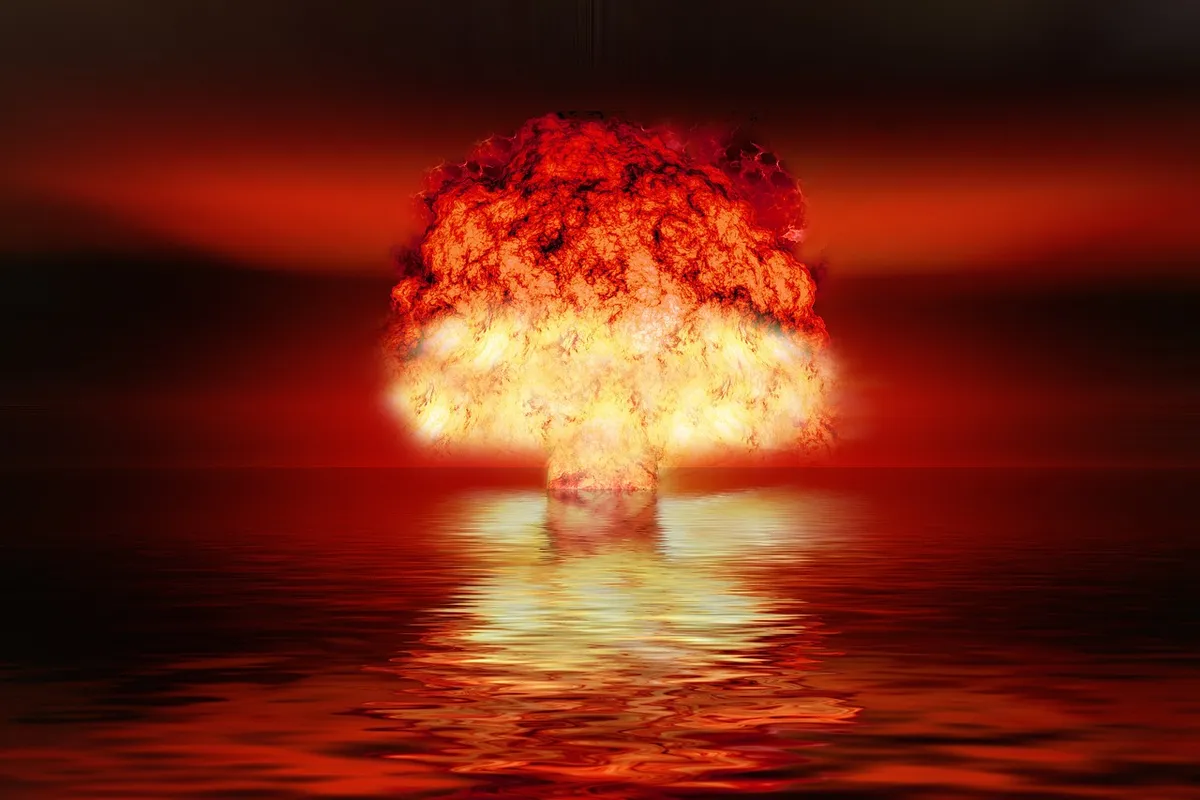
The Soviet Union was the second nation to have developed and tested a nuclear weapon. Following this, the United Kingdom was the third country in the world, after the United States and the Soviet Union, to develop and test a nuclear weapon.
Modern developments show that different nations follow different strategic paths. While some nations focus on expanding existing stockpiles, others focus on the modernization of delivery systems.
What are the specific limitations of historical nuclear control?
A technician examines a control panel, knowing that the link between a command center and a warhead is the most critical component of a strategic system.
A limitation of the post-1991 era was that the physical possession of weapons in former republics did not equate to the ability to use them, as operational control was dependent on Russian-controlled electronic Permissive Action Links and the Russian command and control system.
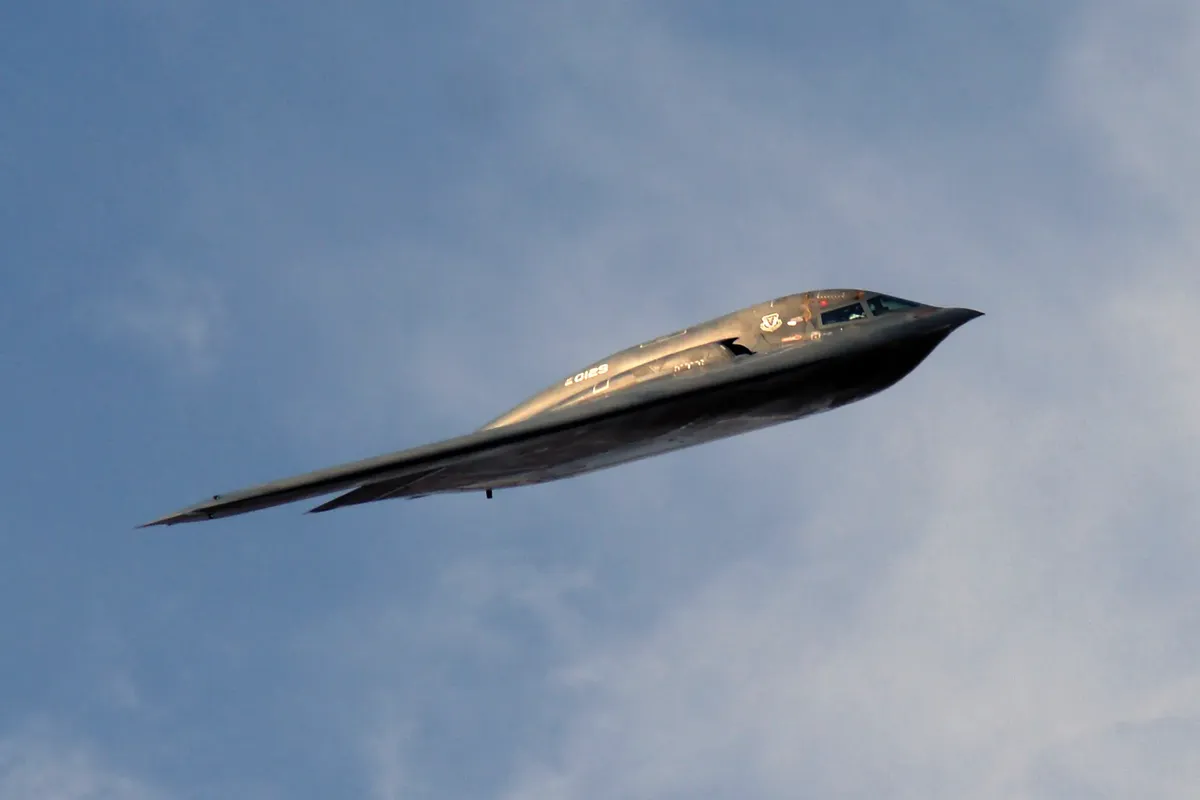
This meant that the strategic utility of the weapons remained with the central authority regardless of territory.
| Historical Context | Strategic Reality |
|---|---|
| Physical possession in former republics | Operational control remained with Russian systems |
| 1,700 weapons in Ukraine (1991) | Equivalent to the third-largest arsenal |
- What defined the redistribution of nuclear weapons after 1991?
- How did historical control influence modern security?
- What is the current state of global nuclear arsenals?
Related
- Fighter strategic function: How air combat evolved over time
- Fighter combat power evolution: Engine power how to advance
How does the history of nuclear proliferation inform current policy?
- The history of nuclear proliferation demonstrates that physical presence does not equate to functional control over nuclear assets. 2. The operational control over the weapons remained centralized with the Russian command structure following the Soviet collapse. 3. This historical dependence highlights the critical role of command and control systems in maintaining strategic stability.
The history of nuclear proliferation serves as a cautionary tale regarding the complexities of post-Soviet disarmament. The transition period required careful management to prevent accidental escalation due to dispersed physical assets.
The comparison between physical presence and operational authority underscores the fragility of international agreements during times of geopolitical flux. This history informs modern approaches to arms control treaties and verification protocols among nuclear states.
FAQ
How many nuclear warheads existed globally in 2024?
Related posts
Fighter strategic function: How air combat evolved over time
Fighter combat power evolution: Engine power how to advance
Military tech enhances combat power: Guide to modern defense

Comments 0