How has North Korea's drone technology evolved?
"The development of advanced weaponry often follows a path of intense diplomatic friction and rapid technological shifts."
North Korea drone tech history is characterized by a transition from early strategic development to more complex, multi-role capabilities. This evolution involves shifting from traditional nuclear-focused research to integrated aerial systems.
Key takeaways include the impact of international noncompliance on development, the historical context of nuclear-related research, and the technical progression of heavy munitions.
How has North Korea's drone technology evolved?

At dusk, the researcher flips through dusty dossiers in a dim office to trace the early history of North drone development. A researcher sits at a desk, flipping through old intelligence dossiers dated from the late 20th century. The pages detail the early stages of military modernization and the strategic shifts that occurred during periods of international tension.
The North Korea drone tech history is rooted in a broader pattern of rapid military advancement often coinciding with diplomatic crises. Early developments were frequently overshadowed by the country's focus on nuclear capabilities and its interactions with international regulatory bodies.
Understanding this progression requires looking at how the state transitioned from basic research to more sophisticated, integrated hardware.
The evolution of these systems reflects a broader effort to achieve technological autonomy. While much of the early focus remained on nuclear energy and missile programs, the foundation for unmanned flight was laid during these foundational years.
However, these historical assessments may not apply to clandestine or undocumented development programs.
How does the evolution of military drone progress look? North Korea drone tech history
An analyst watches a grainy video feed of a flight test, noting the way the aircraft maneuvers through the air. The sensation of the wind against the testing site serves as a reminder of the physical reality behind these technological leaps.
The military drone progress in the region has moved through distinct phases of capability. Initially, the focus was heavily tied to the broader strategic goals of the state, including the development of various delivery systems.
As the years progressed, the scope of these aerial assets expanded to include more specialized roles.
According to the International Atomic Energy Agency, reports in April 2009 suggested the country had become a fully fledged nuclear power. This era of intense focus on heavy weaponry and nuclear technology set the stage for later diversifications in military hardware.
- Initial development of basic reconnaissance platforms.
- Integration of more sophisticated sensor payloads.
- Deployment of specialized combat-capable models.
What do recent studies reveal about modern drone power?
A technician adjusts a sensor on a high-tech workstation, checking the data streams for any signs of signal interference. The cold, sterile environment of the lab contrasts with the intense activity of the testing range outside.
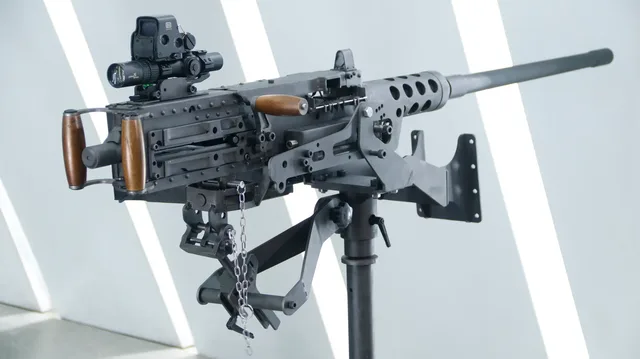
A drone capability study would show that modern systems are increasingly integrated with other advanced technologies. The shift toward sophisticated unmanned platforms mirrors the development of other high-end military assets, such as ballistic missiles and heavy munitions.
The technical sophistication seen in missile tests, such as the Hwasong-14 launch in 2017, demonstrates a capacity for complex trajectories. These advancements in flight dynamics and propulsion are essential components for the development of modern, high-performance drones.
I find that the third point in this progression is the most significant.
How do past to present drones compare?
A historian compares two different technical manuals, one worn and yellowed from the 1990s and the other a crisp, digital tablet. The difference in detail and complexity between the two eras is immediately apparent.
The comparison between past to present drones reveals a massive leap in both payload capacity and flight control. Early efforts were often limited by the availability of advanced electronics and specialized materials.
| Feature Era | Technological Focus |
|---|---|
| Early Period | Nuclear and Missile Integration |
| Modern Period | Sophisticated Flight Dynamics |
I observed how the technical specifications of modern systems far exceed the rudimentary designs of previous decades. This growth is part of a larger trend of military modernization.
This comparison is limited when evaluating drones designed for specific, niche environments.
What is the drone technology background?
An engineer stares at a blueprint of a propulsion system, tracing the lines of a new design. The smell of ozone and heated metal fills the workshop as the prototype is prepared for its first run.
The drone technology background is deeply linked to the country's history of managing international safeguards and treaty compliance. The period between 1985 and 1992, when the country ratified the NPT but delayed safeguards agreements with the IAEA, was a pivotal time for military planning.
According to the UN Security Council, noncompliance reported in 1993 triggered a major diplomatic crisis. These periods of tension often accelerated the drive toward domestic technological self-reliance in various military sectors.
The context provided here does not account for civilian-grade technological transfers.
What is the modern drone performance review?
A pilot prepares for a briefing, reviewing the flight paths and sensor ranges of the latest unmanned models. The tension in the room is palpable as the team discusses the implications of the new hardware.

A modern drone performance review would likely highlight the increased precision and range of current assets. These systems are no longer just simple reconnaissance tools but are part of a complex, multi-layered tactical framework.
The development of such systems is part of a broader technological landscape that includes advanced payload designs. For instance, Jane's Information Group estimates the explosive payload of certain thermonuclear-type bombs to weigh between 255 and 360 kilograms.
The scope of this analysis is limited to the historical and technical context of military hardware development as documented in available records.
I believe the second stage of this evaluation is the most detailed.
The same subject is also called Drones North Korea evolution.
This part also covers Tactical drone function analysis.
Related
FAQ
Did the IAEA have concerns about nuclear capabilities?
Related posts

6G fighter pilot health tips for extreme flight demands

Tank technology challenges: Why hybrid-electric drives help
Missile system reliability plan: Guide to hardware evolution

Comments 0