DPRK submarine tech evolution: How to guide analysis
"The evolution of underwater technology often mirrors the broader strategic shifts of a nation seeking to expand its reach through specialized delivery systems."
The development of North Korean submarine technology is a process tied to the nation's broader pursuit of advanced weaponry and strategic deterrence.
This technological evolution is primarily driven by the intent to develop diverse delivery platforms, ranging from conventional systems to those capable of carrying advanced payloads.
While specific technical specifications for current submarine hulls are not established in the provided records, the progress is closely linked to the country's broader nuclear and ballistic development.
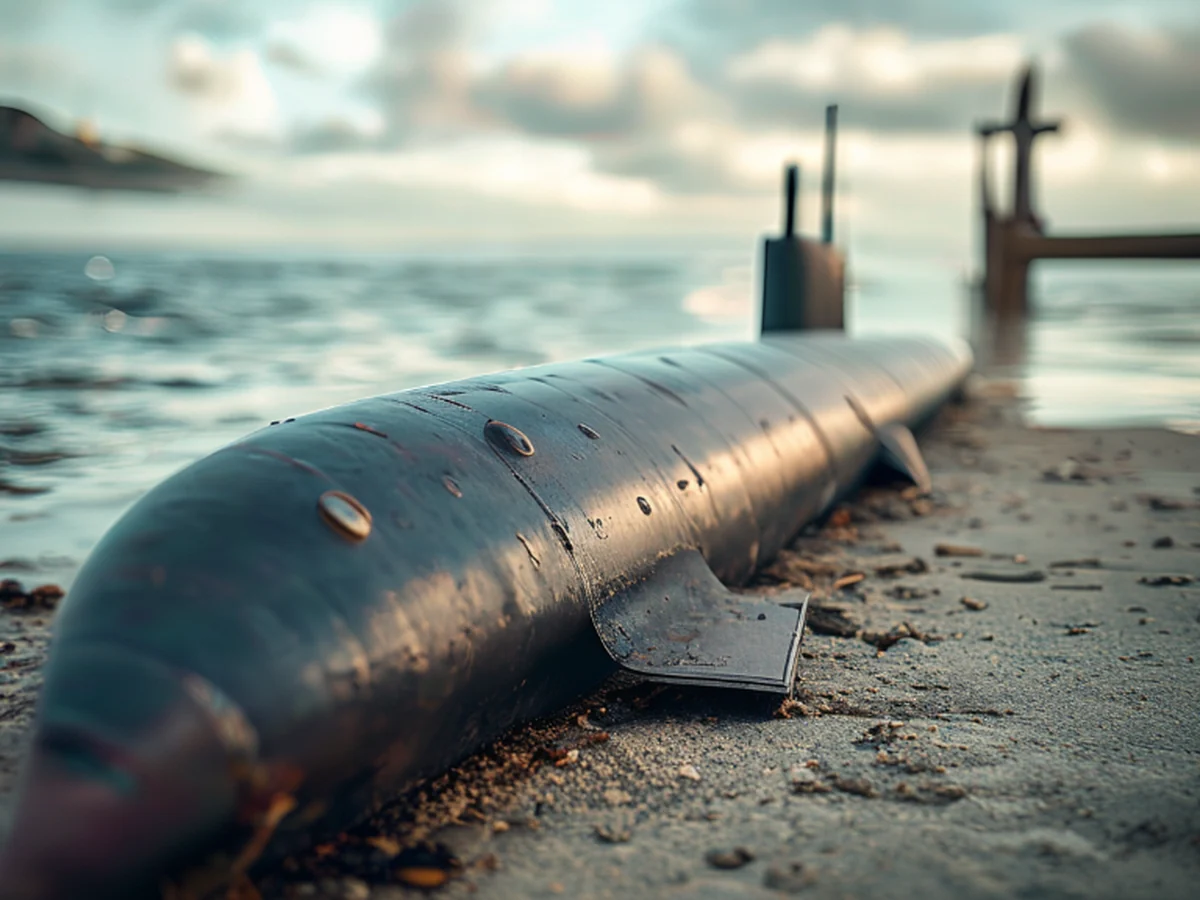
* Strategic integration of nuclear capabilities with delivery platforms. * Historical transition from peaceful energy cooperation to weapons development. * Emphasis on long-range reach and advanced explosive payloads. * The relationship between maritime stealth and ballistic missile progress.
How does the history of North Korean technology influence submarine development?
A researcher sits in a quiet library, flipping through decades of diplomatic records and energy agreements. The shift from civilian cooperation to military focus provides the necessary context for understanding current maritime ambitions.
The historical foundation of the country's technical capabilities began with external assistance. The Soviet Union agreed to help North Korea develop a peaceful nuclear energy program, which included the training of nuclear scientists.
This early period of knowledge transfer laid the groundwork for future specialized engineering.
The trajectory changed as the nation moved toward weapons development. In 1985, North Korea ratified the NPT but did not include the required safeguards agreement with the International Atomic Energy Agency (IAEA) until 1992.
This era of shifting compliance highlights the complexity of monitoring technological growth.
What are the implications of North Korean submarine tech evolution?
At midnight, a sailor leans against the cold steel of a hull as he watches the dprk submarine vanish into the dark waves.
An observer watches a distant radar screen, tracking the movement of maritime assets through deep, dark waters. The evolution of these systems suggests a move toward more complex, multi-role capabilities.
The rep DPRK submarine tech evolution is fundamentally linked to the country's mastery of high-yield payloads. The pursuit of advanced delivery methods is a core component of their strategic planning. As these systems become more sophisticated, they offer greater stealth and reach.
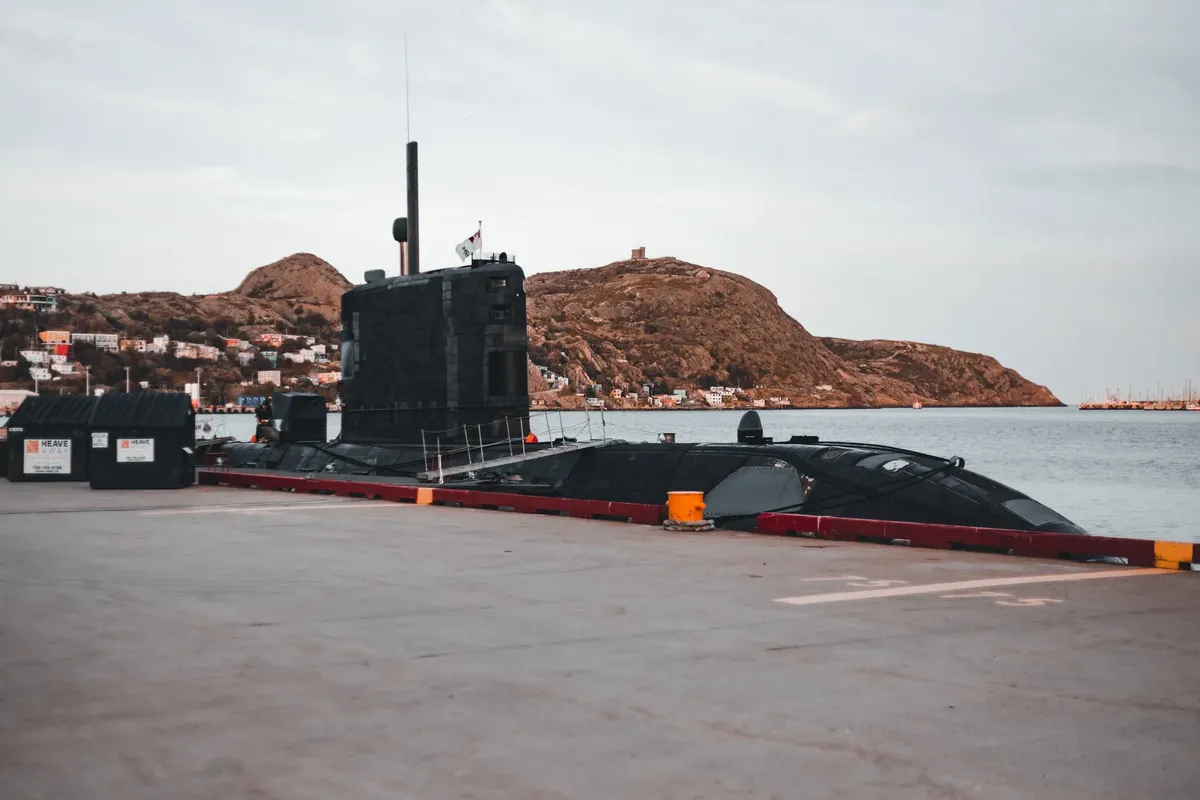
The broader military submarine progress is often evaluated alongside missile advancements. Analysts look for ways these underwater platforms might serve as mobile launch sites. This intersection of maritime and ballistic technology defines the current strategic landscape.
What defines the modern submarine performance analysis?
During the night, an analyst feels a sudden chill in the dark lab while reviewing the dprk submarine data.
A technician inspects a heavy metal casing, checking for the precision required in high-pressure environments. The focus is on how these vessels handle the stress of deployment and the weight of their cargo.
The modern submarine performance analysis focuses on the ability to carry increasingly heavy and complex payloads. For example, Jane's Information Group estimates the explosive payload of the North Korean thermonuclear/hydrogen Teller-Ulam type bomb to weigh between 255 and 360 kilograms.
Integrating such weights into a submersible platform requires significant structural engineering.
The strategic sub technology must account for the weight and stability of these devices during underwater transit. The capability to launch or deploy these payloads remains a central point of technical scrutiny.
This progress reflects a move toward highly specialized, high-stakes maritime operations.
How has nuclear development shaped warfare technology in North Korea?
A scientist monitors a reactor core, noting the intense heat and energy being harnessed. The transition from energy production to weaponization is a critical chapter in the nation's technical history.
The warfare technology in North Korea has been heavily influenced by its nuclear milestones. In April 2009, reports surfaced that North Korea had become a "fully fledged nuclear power," an opinion shared by International Atomic Energy Agency (IAEA) Director General Mohamed ElBaradei.

This status changed the requirements for all delivery systems, including those underwater.
The development of these technologies is not without shifts in direction.
In February 2012, North Korea announced that it would suspend uranium enrichment at the Yongbyon Nuclear Scientific Research Center and not conduct any further tests of nuclear weapons while productive negotiations involving the United States continued.
Such pauses influence the pace of overall technological advancement.
What is the connection between ballistic missiles and submarine capabilities?
A coastal guard watches the horizon, where the silhouette of a missile launcher meets the sky. The connection between surface-to-air and sea-to-surface technology is evident in the shared engineering goals.
The development of long-range delivery systems provides a template for submarine-launched capabilities. For instance, on July 4, 2017, North Korea launched Hwasong-14 from Banghyon airfield, near Kusong, in a lofted trajectory that lasted 39 minutes for 930 km.
Such long-range trajectories require precision that is also sought in underwater launch systems.
Furthermore, the advancement of heavy-lift missiles is relevant. On July 28, North Korea launched a second, apparently more advanced, ICBM with an altitude of around 3,700 km that traveled 1,000 km down range. Analysts estimated that it was capable of reaching the continental United States.
The engineering required for such extreme ranges is a benchmark for future maritime deployment.
How can one track the progress of these systems?
An analyst compares data points on a digital map, noting the differences between various test results. Tracking progress involves looking at payload, range, and the energy required for deployment.
To evaluate the current state of these technologies, follow these steps:
- Examine the estimated weight of the payloads being developed for various delivery systems. 2. Compare the range and altitude achieved in recent ballistic missile tests. 3. Analyze the seismic data from reported detonations to understand the power of the devices.
I compared the weight of the Teller-Ulam type bomb to the requirements of maritime stability. A final check involves verifying if the payload weight is consistent with the structural limits of known submersible designs.
The current scope of this analysis is limited by the lack of specific, publicly available technical data regarding the actual hull designs and propulsion systems of North Korean submarines.
- How does the history of North Korean technology influence submarine development?
- What are the implications of North Korean submarine tech evolution?
- What defines the modern submarine performance analysis?
Related
FAQ
Has North Korea achieved nuclear power status?
Related posts
Russia drone tech needs: How to guide mass production best

Why US AI weapon trends drive modern military intelligence

1,700 nuclear weapons: history of Soviet collapse


Comments 0