Tank tech guide: Why advanced armor reaches 640
"The development of heavy armored vehicles and unmanned systems represents a pivot in how modern militaries approach battlefield reconnaissance and direct engagement."
The pursuit of advanced armored capabilities involves both heavy prototype tanks and unmanned aerial systems. This overview examines the development of the Black Eagle prototype and the Okhotnik drone program.
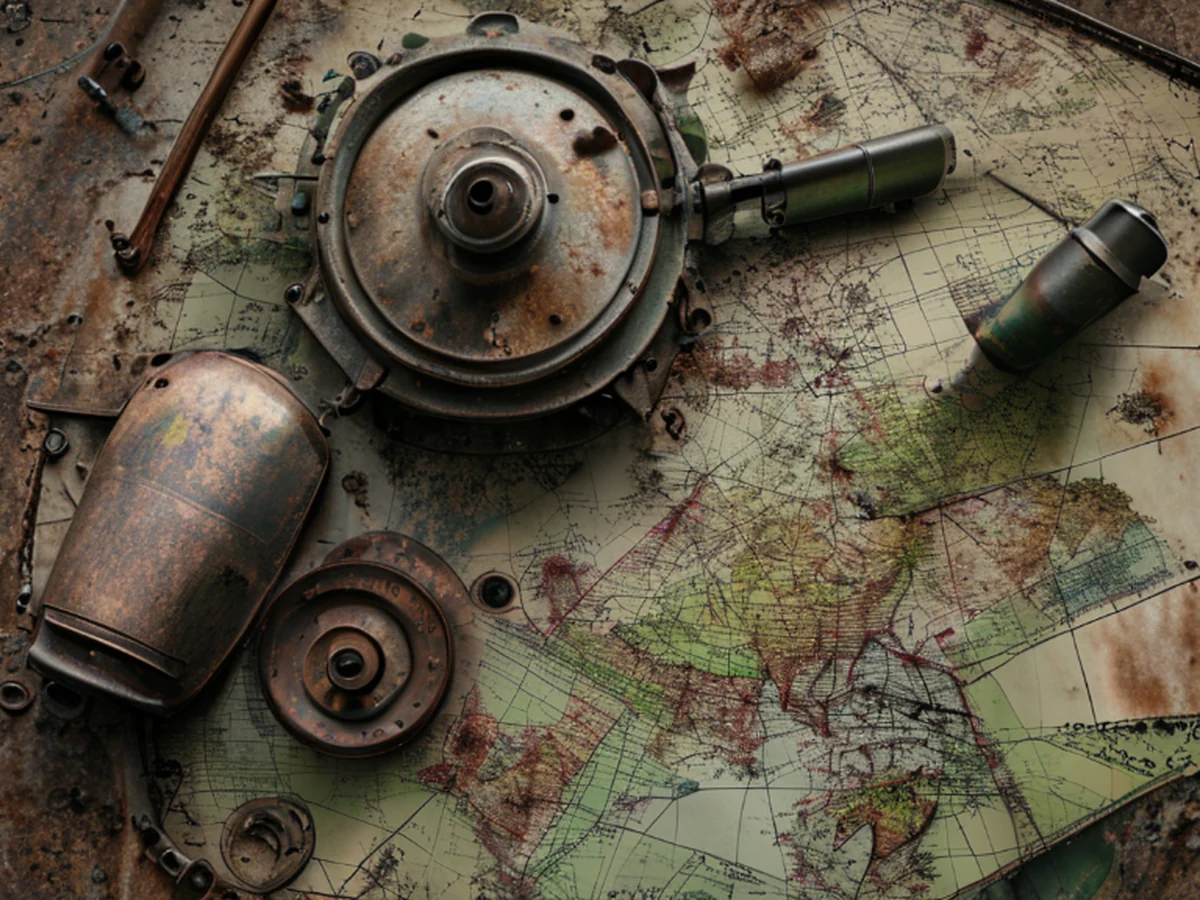
Key takeaways include the historical roots of the Object 640 and the ongoing evolution of heavy unmanned reconnaissance technology.
What exactly defines the Black Eagle lineage? A designer brushes a blueprint of a heavy vehicle, tracing the lines of a machine meant to supersede existing models. The Black Eagle tank, also known as Object 640, was a presumed prototype main battle tank.
It was based upon the T-80U and was developed by the KBTM design bureau of Omsktransmash in the late 1990s for the Russian Federation.
This development aimed to push the boundaries of armored warfare through enhanced protection and firepower. While the prototype was intended to modernize the fleet, it remains a specific branch of design evolution.
The technical lineage of the Black Eagle tank reflects a period of intense focus on heavy armor.
- Integration of advanced composite armor systems.
- Implementation of modular turret designs.
- Development of high-mobility chassis platforms.
How does the Okhotnik drone fit into military strategy? Russian tank tech advance
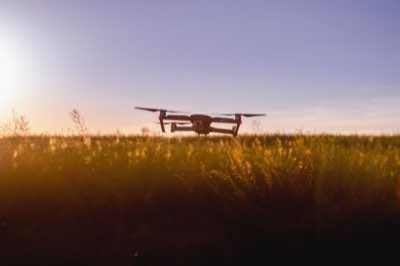
At midnight, an engineer stares at the glowing screen as the drone shadows a distant tank across the digital landscape.
An engineer monitors a digital interface, watching a heavy drone silhouette glide across a simulated terrain. The Okhotnik has been under development since at least 2011.
During that time, Sukhoi was selected by the Russian Defense Ministry to lead a programme for a new heavy unmanned reconnaissance and attack drone.
This shift toward unmanned systems suggests a move toward remote combat capabilities. Integrating such drones into a broader military strategy allows for reconnaissance and attack without risking manned crews.
The Okhotnik represents a technological jump from traditional heavy armor to autonomous systems.
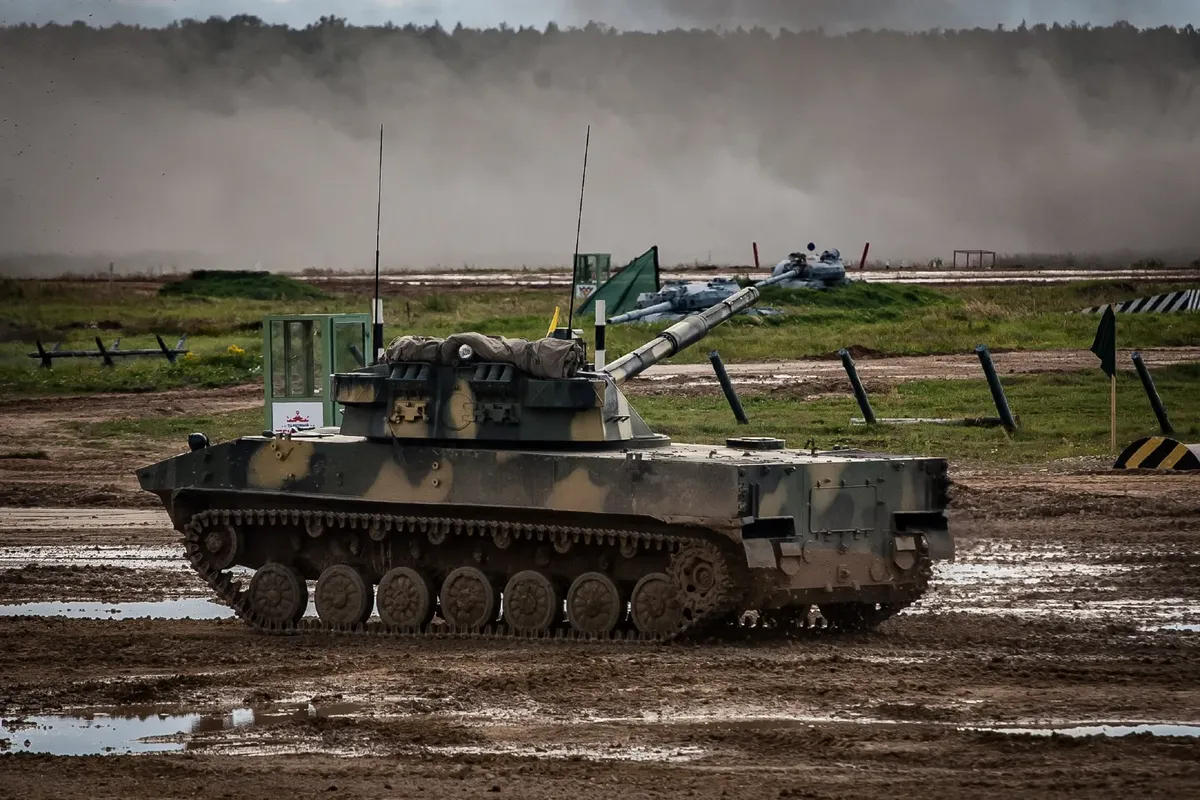
In this sequence, the second step is the most extensive.
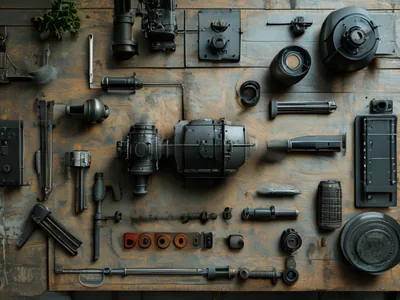
What goes into modern tank development? A technician inspects a heavy engine component, checking the tolerances of a power pack designed for high-performance mobility. Modern tank development often focuses on the synergy between mobility, protection, and firepower.
The Object 640 is related to the Russian Federation.
This involves creating reliable power packs and advanced transmission systems to ensure battlefield effectiveness.
While different nations pursue unique paths, the core goal remains the same: survivability and dominance. The history of the Black Eagle tank shows how design bureaus attempt to iterate on existing platforms like the T-80U.
Such efforts are central to maintaining a competitive edge in armored warfare.
How do automated systems change the battlefield?
A soldier adjusts a headset, peering through a thermal optic at a distant, silent shape moving through the brush. The integration of unmanned reconnaissance and attack drones changes how forces perceive the battlefield.
These systems provide eyes in the sky and strike capabilities that traditional tanks cannot match alone.
The Okhotnik program highlights a focus on heavy unmanned platforms. By utilizing such technology, a military can conduct reconnaissance while maintaining a strike capability. This type of technology-driven strategy is a significant departure from purely manned armored divisions.
What are the limitations of these technological advancements?
A researcher reviews a data sheet, noting that not every prototype reaches mass production or operational deployment. The development of specialized hardware often faces constraints in budget, technical feasibility, and strategic necessity.
Not all experimental designs become standard-issue equipment for a nation's army.
One limitation is that a prototype, such as the Black Eagle tank, may remain an experimental project rather than a widely deployed asset. In the late 1990s, the KBTM design bureau focused on the Object 640 as a potential successor, but its deployment was not guaranteed.
The subject here is Russian tank tech advance.
The same subject is also called Tank tech Russia focus.
The same subject is also called Military strategy tank.
The same subject is also called Advanced armor design.
The same subject is also called Modern tank warfare.
This part also covers Military tech focus.
This part also covers Strategic tank role.
Related
- Drone tech: 23 why North Korea's spending guide
- Warship combat function: Guide to modern vessel roles
How do these systems compare in operational role?
The Black Eagle tank and the Okhotnik drone serve distinct, yet complementary, roles in modern military doctrine. The Object 640, being a heavy armored vehicle, provides direct engagement capability on the battlefield. Conversely, the Okhotnik specializes in providing intelligence and strike options remotely, extending the reach of the military operation.
The comparison between the two platforms illustrates a strategic layering of combat assets. The tank offers survivability through its heavy armor, while the drone offers situational awareness and attack capability without risking a crew inside a vulnerable machine.
This dual focus—heavy ground presence and aerial persistence—is a hallmark of contemporary military thinking regarding armored engagements. The development of these systems shows a progression toward integrated combat systems.

Comments 0