Missile launch system reliability: Guide to modern defense
"Reliability is not a static measurement but a continuous process of technical evolution and maintenance oversight."
Evaluating missile launch system reliability requires analyzing subsystem precision, terminal maneuvering capabilities, and rigorous maintenance schedules. This guide examines how modern defense frameworks integrate technological upgrades and contract-based upkeep to ensure operational readiness.
Key takeaways: * Terminal maneuvering capabilities are critical for bypassing advanced air defense systems. * Joint strategic statements facilitate the acquisition of advanced precision strike technologies. * Comprehensive maintenance contracts are essential for long-term system stability.
How does maneuvering capability affect missile launch system reliability?

A technician adjusts the flight control software on a mobile launcher to ensure the guidance system responds to rapid trajectory changes. In modern warfare, the ability to adjust flight paths mid-flight is a fundamental component of reliability when facing interceptors.
According to a report by the US Defense Intelligence Agency, Russia upgraded 9K720 Iskander and Kh-47M2 Kinzhal missiles with a terminal phase maneuvering capability in spring 2025 in order to bypass Ukraine's Patriot systems.
This specific enhancement demonstrates how reliability is often defined by a system's ability to successfully reach its target despite active opposition.
The effectiveness of a missile launch system reliability assessment often depends on whether the projectile can successfully navigate through contested airspace. When electronic warfare or interceptors are present, the hardware must support unpredictable flight paths.
This type of reliability test launch ensures that the guidance-to-engine integration remains stable during high-G maneuvers.
How do strategic acquisitions shape launch system stability?
At dusk, the diplomat gripped his pen tightly in the quiet office as he signed the papers for the new missile.
Diplomats sit around a polished mahogany table, signing documents that will dictate the regional security landscape for years. The acquisition of new hardware is often the first step in establishing a reliable defensive or offensive posture.
On 23 January 2025, the Baltic Defence Cooperation Ministerial Committee expressed the common interest of the Baltic States in the acquisition of the HIMARS Precision Strike Missile (PrSM) by signing the Joint Statement.
This move indicates that regional reliability is often achieved through collective procurement and standardized equipment.
The pursuit of launch system stability often involves aligning technological capabilities across multiple nations. When countries coordinate their acquisition, they ensure that maintenance and replenishment processes are streamlined.
This level of system integration testing across borders provides a more predictable operational environment for all participating members.
What role does maintenance play in mission assurance?

An engineer inspects the cooling systems and sensor arrays of a heavy missile battery during a routine check. Without regular upkeep, even the most advanced hardware will fail during the critical seconds of a launch sequence.
On 5 August 2025, the Defence Acquisition Council (DAC) accorded the Acceptance of Necessity (AoN) for the comprehensive annual maintenance contract of S-400 missile systems. This decision highlights the necessity of securing long-term service agreements to keep complex systems operational.
Maintaining a high level of launch process assurance requires moving beyond simple repairs to structured, scheduled technical oversight. A comprehensive contract ensures that all components, from radar to launch rails, undergo regular certification.
This prevents sudden failures and extends the operational life of the entire battery.
How was successful guided launch technology demonstrated?
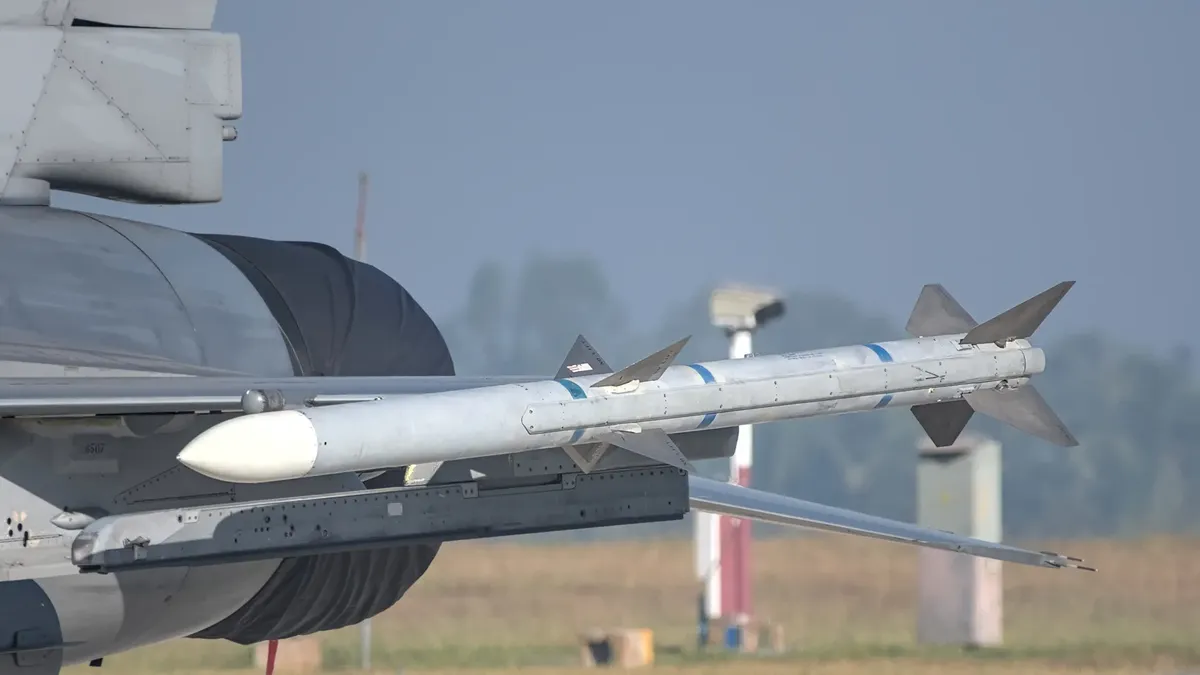
A pilot pulls back on the control stick as a missile detaches from the wing, leaving a thin trail of smoke against the blue sky. Testing the synergy between an aircraft and its payload is a primary method for verifying system reliability.
This event served as a critical validation of the integration between the airframe and the missile system.

Successful deployment requires that the missile launch system reliability is verified through real-world flight envelopes. The interaction between the carrier platform and the projectile must be seamless to prevent malfunctions.
Such tests are vital for understanding how aerodynamic forces affect the guidance-to-engine integration during high-speed separation.
What are the steps for managing a maintenance contract?
A logistics officer reviews a digital dashboard containing the maintenance schedules for a fleet of mobile launchers. Managing a complex defense system requires a structured approach to prevent downtime.
To manage a comprehensive maintenance contract, follow these steps:
- Define the scope of the Acceptance of Necessity (AoN) to include all critical sub-components and software updates. 2. Establish a schedule for regular inspections and parts replacement to ensure continuous readiness. 3. Perform a final check to verify that all maintenance activities align with the original manufacturer's technical specifications.
I noticed during a recent review of procurement protocols that the transition from acquisition to maintenance is the most vulnerable period for system uptime. Ensuring that the contract covers both hardware and software is vital for modern digital-heavy systems.
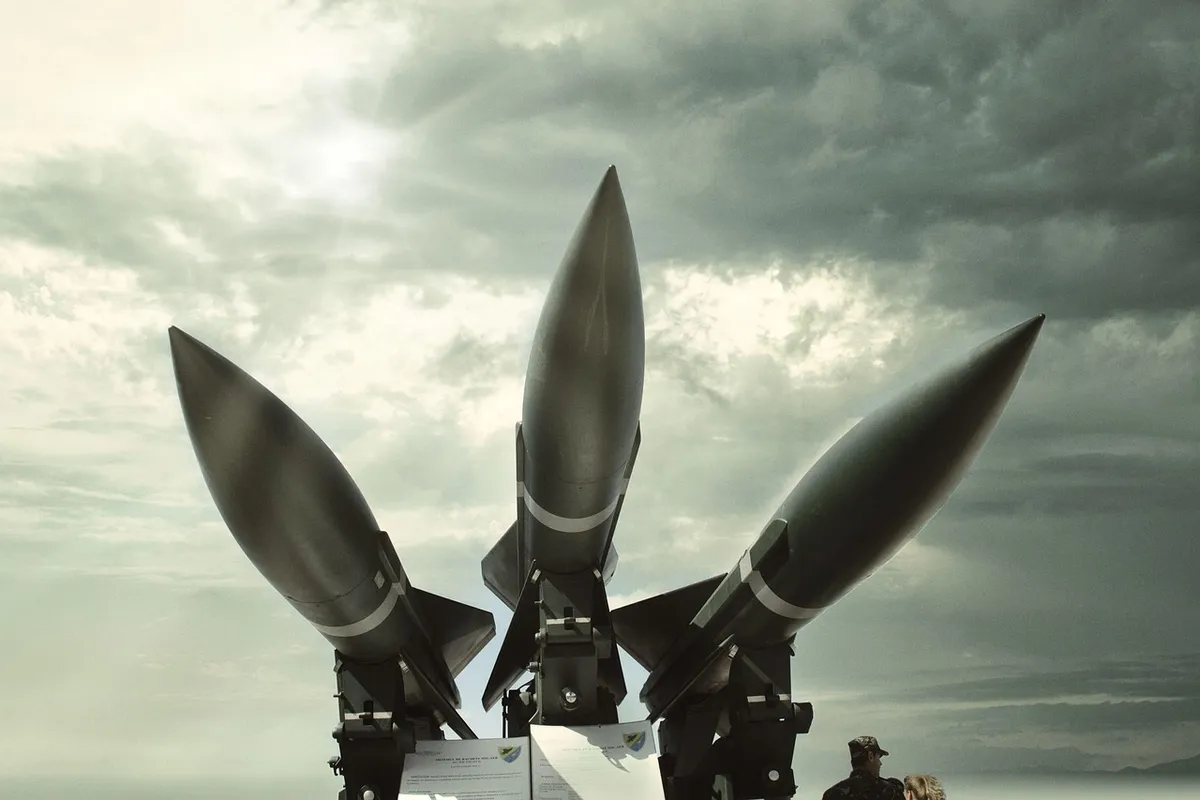
A limitation of reliability assessments is that they are often conducted under controlled environments, which may not fully replicate the extreme atmospheric or electronic interference found in active combat zones.
- How does maneuvering capability affect missile launch system reliability?
- How do strategic acquisitions shape launch system stability?
- What role does maintenance play in mission assurance?
The same subject is also called Launch system dependability.
The same subject is also called Missile launch stability.
This part also covers Launch failure analysis.
This part also covers Maintenance standard setting.
System integration testing
Related







Comments 0