Warship combat function: Guide to modern vessel roles
"The sea demands versatility, where the ability to switch roles in hours defines the difference between mission success and tactical failure."
Modern naval strategy relies on a warship combat function that balances specialized weaponry with flexible mission modules.
This analysis explores how modular designs and varied armaments allow vessels to transition between roles, such as mine warfare or surface combat, while managing crew sizes and technological limitations.
Key takeaways include the importance of modularity, the impact of mission-specific armaments, and the strategic trade-offs between specialized firepower and long-range detection capabilities.
How does a warship combat function evolve through modularity?
At dawn, the technician slides a heavy steel module into the deck slot, feeling the jarring vibration of the warship shifting its purpose.
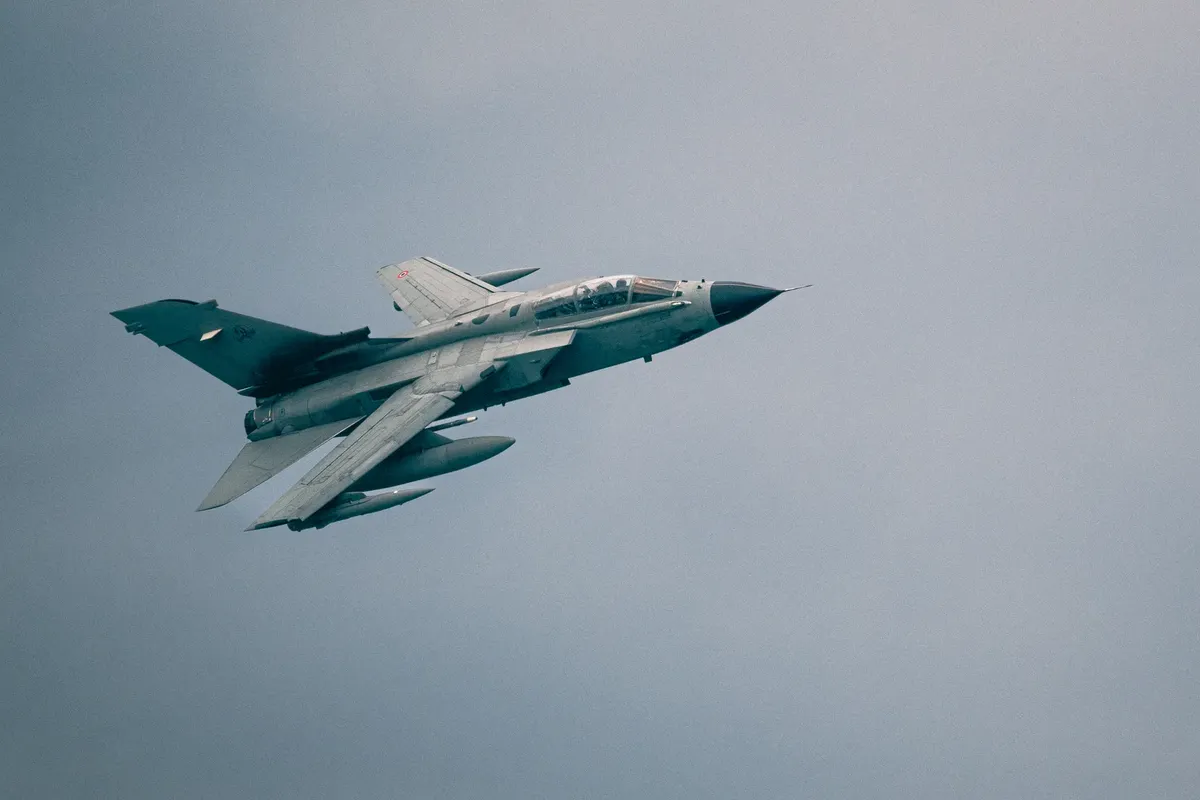
A technician adjusts a mission module on a deck, sliding heavy hardware into a designated slot to prepare for a new mission. The naval combat role often depends on how quickly a vessel can reconfigure its internal systems to meet changing threats.
In 2014, the USS Independence demonstrated this agility by switching from mine to surface warfare modes in just 96 hours on short notice.
The ability to change roles quickly allows a single hull to serve multiple purposes. This flexibility is a core part of ship combat capability, ensuring that a fleet is not stuck with a single, static purpose.
By utilizing interchangeable modules, commanders can adapt to specific theater requirements without needing entirely different ship classes.
The strategic naval operations of the future may rely heavily on such modularity to maintain presence in contested waters. This approach allows for a diverse range of mission profiles to be executed by a smaller number of hulls.
A versatile ship ensures that the fleet remains relevant even as mission requirements shift.
What defines the technical aspects of a surface warfare package?
A crew member monitors a 30 mm gun system while a small boat is launched from the side of the ship.
The surface warfare package includes two 30 mm gun systems, a counter-boat missile system, two 11-meter (36 ft) rigid-hull inflatable boats (RHIBs), and weapons deployed from MH-60 helicopters and MQ-8 Fire Scout UAVs. This combination provides a layered defense against various surface threats.
These organic weapons systems provide immediate response capabilities for littoral environments. The inclusion of both gun-based and missile-based solutions allows for engagement at different ranges and against different types of targets.
For instance, the two 30 mm gun mission modules manufactured by Teledyne Brown Engineering, Inc. provide specific tactical advantages in close-quarters engagements.
Integrated aerial assets like helicopters and UAVs extend the visual and striking range of the vessel. These assets act as force multipliers, providing reconnaissance and precision strike capabilities that a single hull cannot achieve alone.
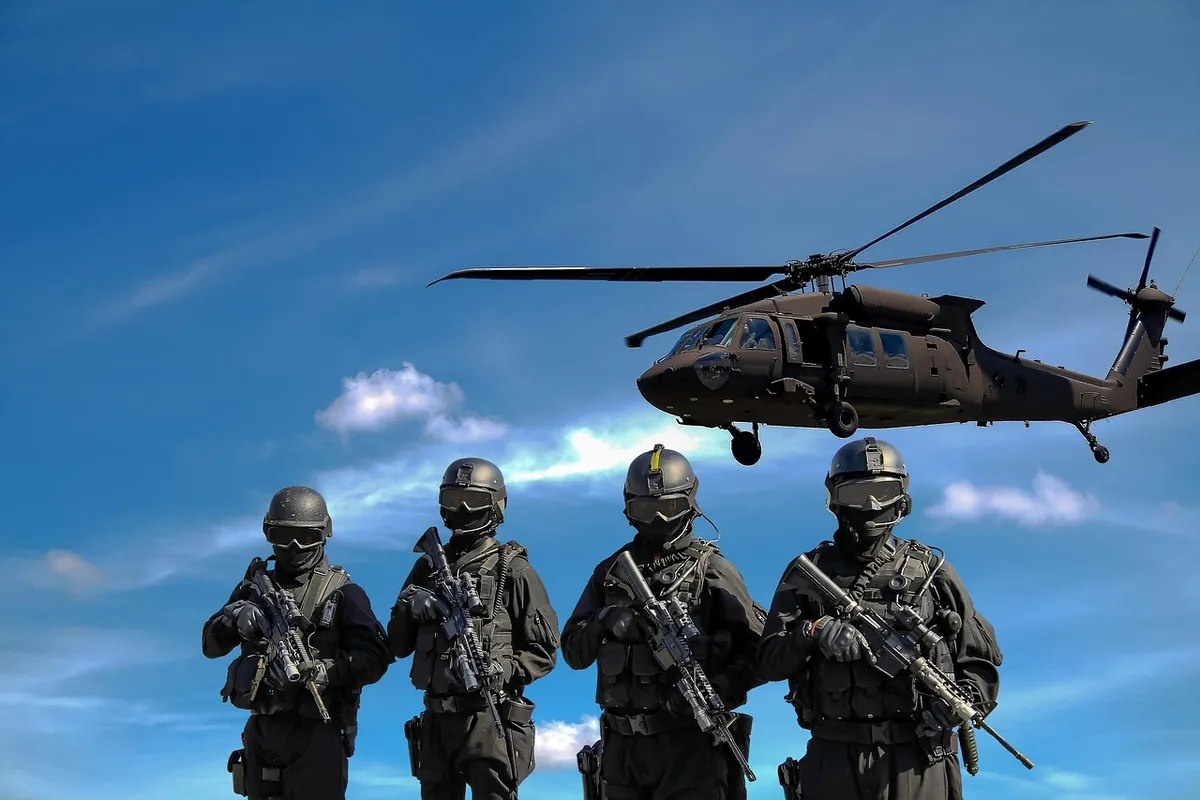
This layered approach is essential for maintaining control in complex maritime environments.
How do specialized armaments impact ship design performance?
An engineer reviews technical specifications for a new missile integration, comparing the range of different projectiles. The ship design performance is often a trade-off between weight, range, and the specific mission at hand.
For example, the Navy recommended the selection of Raytheon's Griffin missile to replace the NLOS-LS missile, lowering the LCS's missile range from 25 miles (40 km) to 3.5 miles (5.6 km).
Such decisions reflect the specific tactical needs of the vessel's intended environment. While lowering range might seem like a downgrade, it can be a strategic choice for specific mission profiles.
The weight and space saved by choosing different missile systems can be reallocated to other critical sensors or defensive tools.
The balance of power is maintained through these precise technical choices. A ship designed for one type of engagement may sacrifice long-range capability to excel in littoral or swarm-defense roles. This specialization ensures the vessel is highly effective within its primary operational scope.
| Weapon System | Range/Feature |
|---|---|
| NLOS-LS Missile | 25 miles (40 km) |
| Griffin Missile | 3.5 miles (5.6 km) |
I observed how the transition between these missile systems fundamentally changes the vessel's engagement envelope.
What are the strategic implications of crew and fleet size reductions?
A commander looks at a digital dashboard showing a significantly smaller crew managing a high-tech vessel. Modernizing fleet structures can lead to a 50% reduction in ships and a 25% reduction in crews (and smaller crew sizes) than traditional deployment practices.
These efficiencies allow for more widespread coverage with fewer human resources.
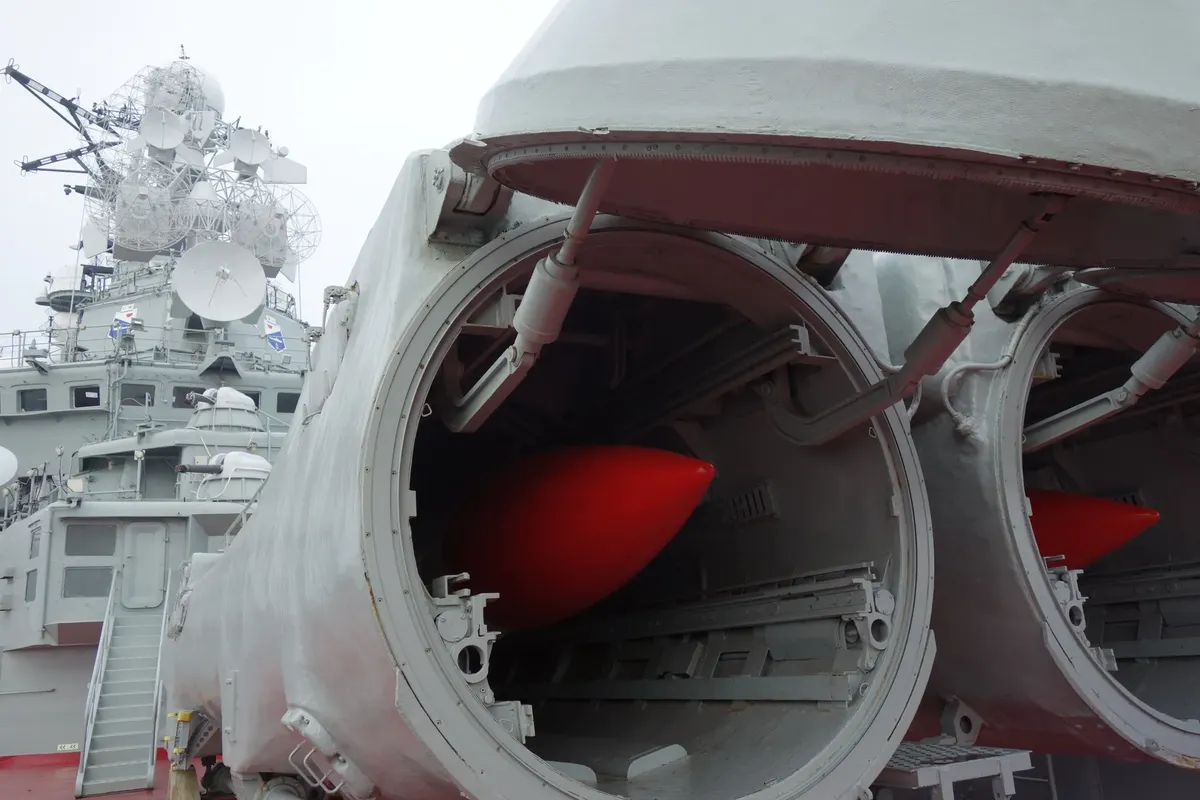
Reducing crew sizes requires higher levels of automation and more intuitive system interfaces. This shift changes the nature of naval life and the type of training required for sailors. While it optimizes costs, it also places a higher reliance on the reliability of automated systems.
Strategic naval operations benefit from the ability to deploy more hulls if the cost per vessel is lowered. A leaner fleet can be more easily distributed across different maritime regions. This distribution enhances the ability to conduct persistent patrols and rapid response missions.
How do electronic sensors and radar systems shape naval warfare?
A radar operator tracks a fast-moving contact on a glowing screen in the darkened combat information center. The integration of advanced sensors is critical for detecting incoming threats and managing the battlespace.
For example, the Navy chose to integrate the millimeter wave radar-guided AGM-114L Hellfire missile to increase the LCS's standoff firepower and defense against swarming fast attack craft.
Sensor technology must balance sensitivity with the need to manage weight and power. Some ASW elements were chosen as cost-effective COTS sensors, so weight reduction needs by between 15 and 25 percent have been planned for since their selection for integration onto the LCS.
This demonstrates the constant tension between adding capability and maintaining hull stability.
Detection capabilities often dictate the engagement range of the entire vessel. Even if a ship carries long-range missiles, its effectiveness is limited by its fire control and radar systems. Maintaining a technological edge in sensor suites is just as important as the weapons themselves.
What are the limitations of long-range fire control?
A sailor looks through binoculars at a distant horizon, searching for a target that the radar cannot yet confirm. While some weapons have significant reach, the vessel's own systems might not be able to utilize that range.
The NSM has a range of 100 nmi (120 mi; 190 km), greater than the Harpoon anti-ship missile, but LCSs lack long-range fire control systems to detect targets at this distance.
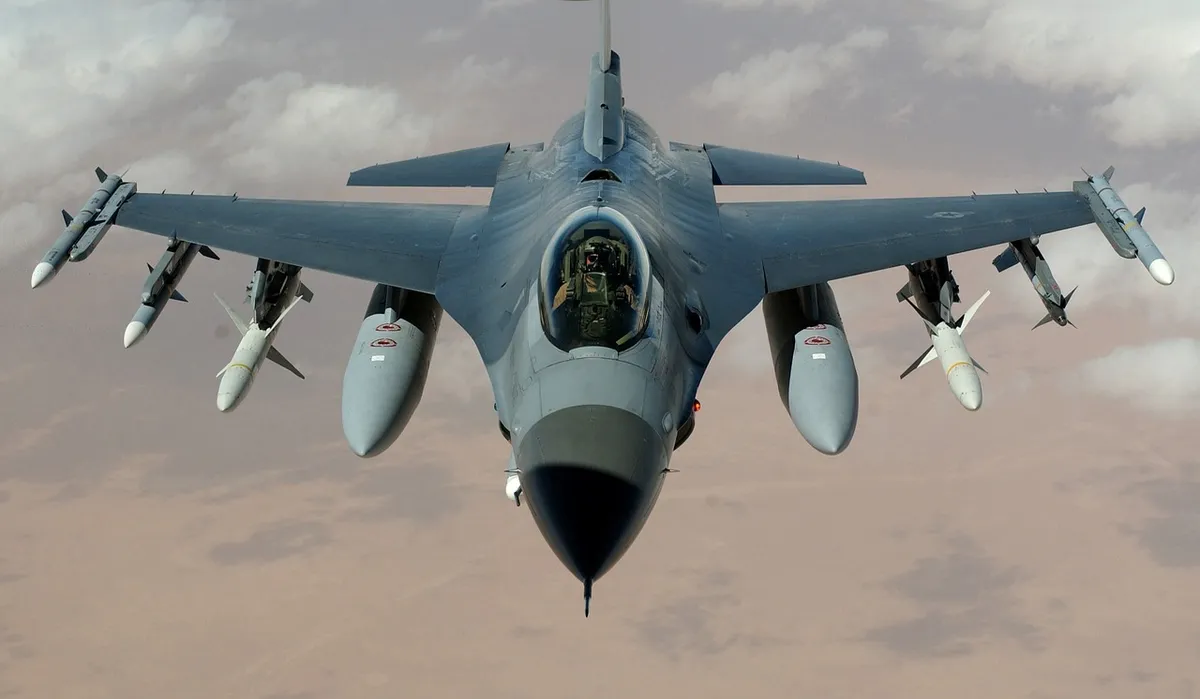
This gap between weapon range and sensor range is a critical tactical limitation. A ship may carry a missile capable of hitting a target far away, but without the ability to see that target, the weapon remains useless. This reality forces commanders to plan for specific engagement envelopes.
The limitation of sensor range can make a vessel vulnerable to standoff attacks. If an adversary can detect the ship before the ship can detect them, the tactical advantage shifts. Addressing these gaps through better radar or cooperative engagement is a constant focus of naval development.
Wikipedia: Aircraft carrier Based on the retained excerpt mentioning French Ministry of Defence: Future In October 2018, the French Ministry of Defence began an 18-month €40 million study for the replacement of the French aircraft carrier Charles de Gaulle sometime after 2030.
- How does a warship combat function evolve through modularity?
- What defines the technical aspects of a surface warfare package?
- How do specialized armaments impact ship design performance?
Related




Comments 0