Russia large drone evolution: How to guide best tips
The evolution of large-scale unmanned aerial vehicles reflects a global shift toward high-tech manufacturing and digital connectivity.
Russia's development of large drone technology is framed by its existing high-technology manufacturing and digital infrastructure.
While the provided data does not detail specific Russian drone models, the country's technological baseline includes a 94.4% internet user share in 2024 and a 9.7% high-technology share of manufactured exports in 2021. 1. High digital connectivity supports remote drone operations. 2. A significant high-technology export base provides a foundation for manufacturing. 3. Global market competition is dominated by established consumer leaders. * Regulatory shifts in various nations impact the deployment of heavy drones.
How does digital connectivity influence Russia large drone evolution?
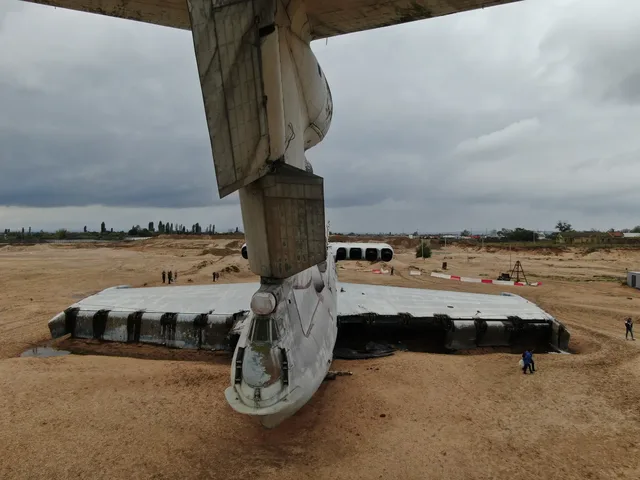
At midnight, the technician taps the screen in a dark room as the hum of connectivity pulses through Russia.
A technician sits in a quiet room, watching a digital interface flicker as data streams from a remote location. This high level of connectivity is essential for managing large-scale unmanned systems that require constant communication.
According to World Bank data, Russia recorded a share of internet users of 94.4% in 2024. This widespread access to digital networks provides the necessary infrastructure for operating complex, remote-controlled systems.
High connectivity ensures that operators can maintain control and receive real-time telemetry from drones operating in distant regions.
The ability to manage large-scale unmanned aerial vehicles relies heavily on the stability of these digital networks. As connectivity expands, the potential for more sophisticated, long-range drone operations increases.
What is the role of high-tech manufacturing in Russia big drone tech?
An engineer inspects a circuit board under a bright lamp, checking the precision of newly soldered components. This meticulous work is part of a broader industrial effort to produce advanced hardware.
The capacity to build drones is tied to the country's existing manufacturing capabilities.
This figure represents the foundation upon which specialized aerospace and drone components can be integrated into larger platforms.
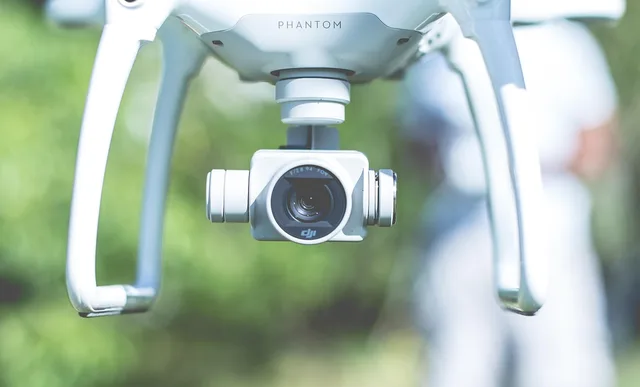
Developing Russian drone development requires transitioning from general high-tech exports to specialized unmanned systems. A robust manufacturing sector is the primary driver for moving from small consumer models to heavy-duty industrial drones.
According to World Bank, the 2024 record includes 94.4%.
How does the global market shape Russian drone development?
At dawn, the trader rubs tired eyes in a quiet office as news of the global market reaches Russia.
A trader watches a glowing screen displaying market shifts and competitor movements in real time. The global landscape is dominated by a few massive players, making it difficult for new entrants to gain ground.
The international market for unmanned systems is currently characterized by extreme concentration among a few manufacturers. For example, DJI accounted for over 90% of the world's consumer drone market as of June 2024.
This dominance makes the entry of new, large-scale systems a significant challenge for any developing program.
Russian drone manufacturing must contend with these established giants that control the majority of the supply chain. Understanding these market dynamics is crucial for any entity attempting to scale its own domestic production.
| Market Segment | Dominant Player Share |
|---|---|
| Consumer Drone Market | Over 90% (DJI) |
| US Public Safety Drones | About 90% (DJI) |
I observed how the massive market share of established leaders creates high barriers for new manufacturers.
What are the challenges of Russia large UAV growth?
A legal expert reviews a thick stack of documents, highlighting clauses related to international trade and flight restrictions. Regulatory hurdles often emerge suddenly, halting planned operations.
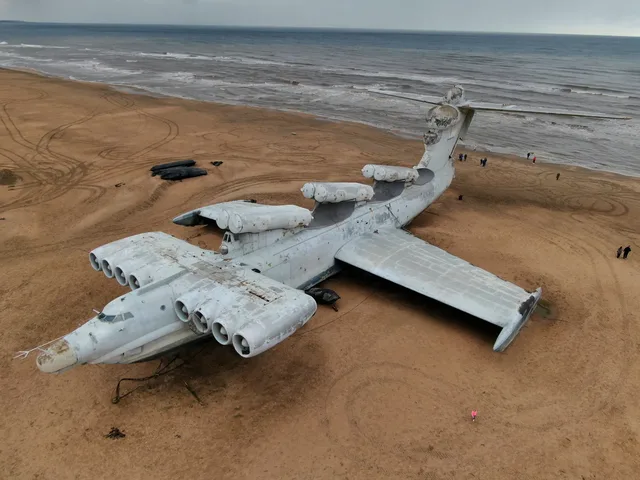
Expanding a drone program requires navigating complex international regulations and shifting political climates.
In April 2026, the Home Ministry of Nepal canceled the flight permit for DJI's FlyCart 100 (Category D) drone and rejected Airlift's application to use an American drone, the FreeFly Alta X Gen 2. Such decisions show how quickly operational permissions can change.
These regulatory shifts can impact the deployment of heavy drones across various sectors. Navigating these legal landscapes is a core component of managing any large-scale unmanned aerial vehicle program.
How is Russia drone combat role influenced by technology?
A pilot adjusts a headset, focusing on a screen that displays high-resolution imagery from a distant flight path. The precision of these tools determines the effectiveness of the mission.
The effectiveness of any drone program depends on the integration of advanced sensors and flight stability. For instance, the Mavic 4 Pro, released on 13 May 2025, featured a 100 MP 4/3″ Hasselblad sensor and a 51 min flight time.
Such technical specifications set a high standard for what modern unmanned systems can achieve in terms of endurance and visual clarity.
High-performance hardware allows for more complex missions in challenging environments. As technology improves, the scope of what these machines can do continues to expand.
What are the practical steps for implementing drone technology?
A logistics manager coordinates a team in a warehouse, preparing heavy crates for transport via an unmanned system. This process requires careful planning and strict adherence to safety protocols.
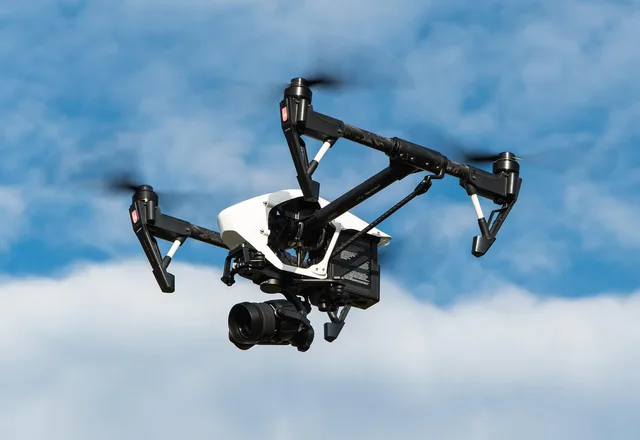
To implement large-scale drone technology effectively, follow these steps:
- Establish a secure and high-bandwidth communication link to ensure constant command and control. 2. Verify that all hardware meets the specific weight and payload requirements for the intended mission. 3. Conduct rigorous testing in diverse environmental conditions to ensure flight stability.
After completing these steps, perform a final check of the flight path and local airspace regulations to ensure compliance.
A limitation of this technological analysis is that the provided data does not include specific technical specifications for Russian-manufactured drones.
The subject here is Russia large drone evolution.
The same subject is also called Russian heavy UAV history.
This part also covers Russia drone military use.
Related



Comments 0