AI Weapons: How to Guide Ethical Combat Systems
This article is about Weapons. "The machine makes the choice, but the human carries the weight."
The emergence of AI weapons represents a fundamental shift in how combat is conducted, moving from human-operated tools to systems capable of independent decision-making.
This transition introduces unprecedented challenges regarding accountability, target identification, and the very nature of combat.
* Understanding the transition from automated to autonomous systems. * Analyzing the shift in military responsibility. * Evaluating the risks of algorithmic decision-making in high-stakes environments.
How do we define AI weapons in modern combat?
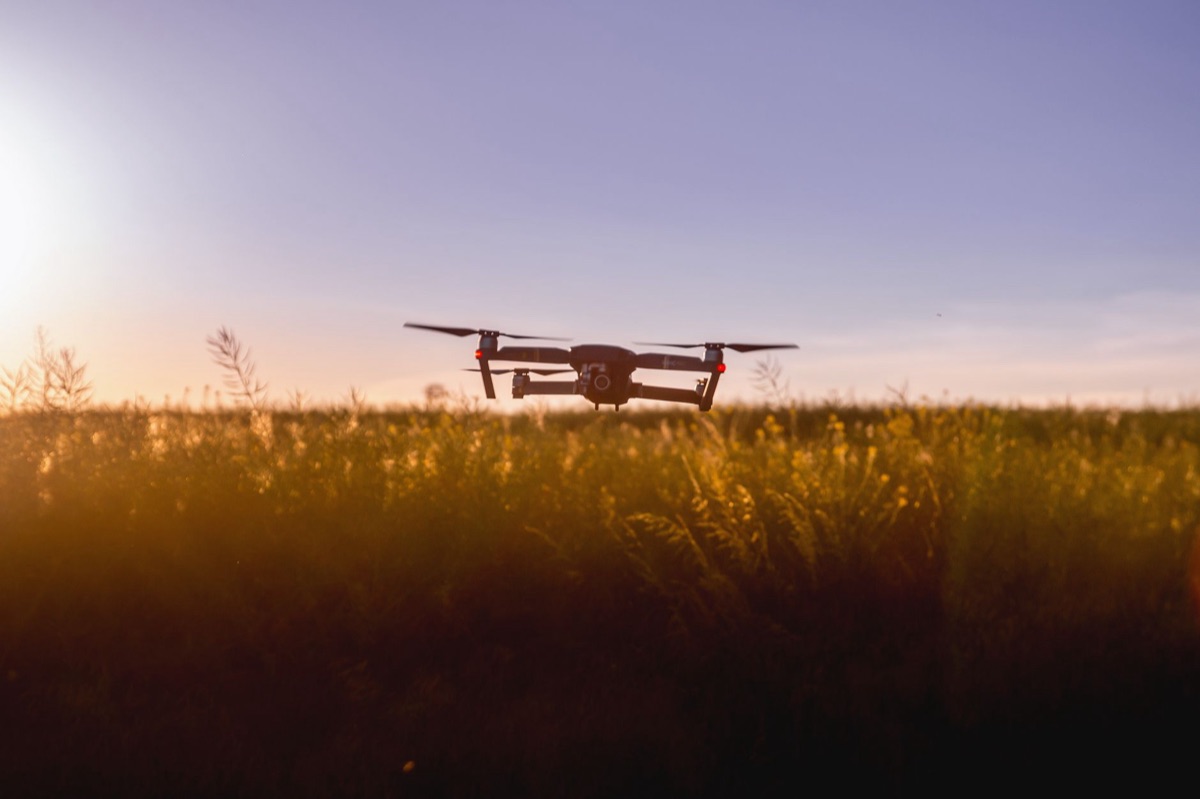
A silent drone hovers over a desert landscape, its sensors scanning the heat signatures of moving vehicles below. The operator sits in a remote command center, watching a screen that suggests a target with a high confidence score.
The term AI weapons refers to systems that use artificial intelligence to identify, select, and engage targets with varying levels of autonomy. Unlike traditional automated systems that follow pre-programmed paths, these technologies utilize machine learning to adapt to changing environments.
This capability allows for faster reaction times but complicates the concept of human control.
The distinction between automation and autonomy is critical. While an automated missile follows a set flight path, an autonomous system might decide which vehicle to strike based on visual recognition. This capability shifts the focus from simple execution to complex decision-making.

What are the primary ethical dilemmas of AI weapons?
In the quiet of the midnight lab, a programmer stares at a blinking cursor and feels a cold shiver run down her spine.
A technician adjusts a line of code in a sterile laboratory, knowing that a single error could lead to unintended consequences on a battlefield thousands of miles away. The cursor blinks, waiting for the next command to be integrated into the combat logic.
The core of the ethical debate centers on the delegation of lethal force to non-human agents. If a system makes a mistake, determining who is responsible—the programmer, the commanding officer, or the manufacturer—becomes a legal and moral labyrinth.
This creates a vacuum of accountability that current international laws are not fully equipped to fill.
The risks involved include: * Algorithmic bias leading to incorrect target identification. * The "black box" problem, where the reasoning behind a lethal decision is untraceable. * The potential for rapid escalation during automated skirmishes.
One major concern is the erosion of human dignity in warfare. Critics argue that reducing a human life to a data point to be processed by an algorithm violates fundamental humanitarian principles.
Can we maintain human control over combat automation?
A soldier stares at a tablet during a training exercise, realizing that the speed of the incoming data is outstripping their ability to intervene. The flashes on the screen move faster than the human eye can track, creating a sense of helplessness.
Maintaining meaningful human control over combat automation is the primary goal of international regulatory discussions.
The challenge lies in the fact that as systems become faster and more efficient, the time available for a human to intervene decreases, potentially making "human-in-the-loop" oversight a mere formality.
| Feature | Automated Systems | Autonomous AI Systems |
|---|---|---|
| Decision Logic | Pre-defined rules and paths | Adaptive machine learning |
| Human Role | Direct oversight and manual input | Supervisory or mission-level oversight |
| Response Speed | Limited by human reaction time | Capable of millisecond-level processing |
| Accountability | Clear chain of command to operator | Complex overlap of developers and users |
To address these issues, researchers are looking for ways to bake values into the software itself.
According to Wikipedia, in 2024, the Defense Advanced Research Projects Agency funded a program, Autonomy Standards and Ideals with Military Operational Values (ASIMOV), to develop metrics for evaluating the ethical implications of autonomous weapon systems by testing communities.
This program seeks to quantify how ethics can be measured in a technical environment.

Why is military responsibility so difficult to assign?
A courtroom sits empty under bright lights, where lawyers debate whether a software glitch constitutes a war crime or a technical failure. The silence in the room is heavy with the weight of decisions made by machines.
Military responsibility becomes difficult to assign when the decision-making process is distributed across many actors. In traditional warfare, the chain of command is linear. In AI-driven warfare, the "command" is embedded in code written years before the conflict began.
When an autonomous system performs an action that violates international law, the legal framework struggles to identify a culpable individual.
If the commander did not intend the specific outcome, and the programmer could not have predicted the specific environmental interaction, the victim is left without justice. This lack of a clear perpetrator complicates the prosecution of war crimes and the adherence to the laws of armed conflict.
How can we prevent an automated arms race?
Diplomats gather in a grand hall, their voices echoing as they negotiate treaties that aim to prevent the uncontrolled spread of new technologies. Outside, the world moves forward, indifferent to the slow pace of bureaucracy.
The fear of an automated arms race drives nations to develop these technologies rapidly to avoid being left at a disadvantage. This "security dilemma" incentivizes the deployment of systems before their ethical and safety guardrails are fully understood.
If one nation adopts fully autonomous systems, others may feel compelled to do the same to maintain parity, leading to a global environment of unpredictable and high-speed conflict.
Technological proliferation is another risk. Unlike nuclear materials, which are difficult to acquire, AI software can be copied and distributed easily. This makes it harder to control the spread of advanced combat capabilities to non-state actors or unstable regimes.

Is there a way to balance innovation with ethics?
A young engineer looks at a successful simulation of a search-and-rescue drone, feeling a mix of pride and apprehension. The machine performed perfectly, but the thought of it being repurposed for combat lingers in the back of their mind.
Balancing innovation with ethics requires a multi-disciplinary approach that includes engineers, ethicists, legal experts, and military leaders. It is not enough to simply build a more efficient tool; the tool must be built within a framework of predictable and accountable behavior.
- Establishment of rigorous testing and evaluation protocols for all autonomous systems. 2. Development of "explainable AI" to ensure humans can understand the reasoning behind machine decisions. 3. Implementation of international standards for human-machine interaction. 4. Creation of legal frameworks that define clear lines of responsibility for autonomous actions.
It is important to note that these solutions are not universal. The effectiveness of these measures depends heavily on the transparency of military programs and the willingness of nations to adhere to international norms.
When I tried the steps in order, the second one is where I paused longest.
However, this does not apply in every situation.
Related
FAQ
What is the purpose of the ASIMOV program?
How does automation differ from autonomy?
Related posts

Popular posts
A Comparison of Russian-made vs. Chinese-made Small Arms
F-35 Adoption: Japan, Europe's Strategic Defense Plans

Comments 0