How to effectively evaluate the key components of combat
In modern warfare, weapon systems must go beyond simple combinations of gunpowder and metal, requiring multi-dimensional performance in areas such as information delivery, mobility, and sustainability.
Combat support weapon systems (e.g., heavy equipment, artillery, reconnaissance drones) are critical infrastructure that supports tactical decision-making and strategic operations.
Insufficient performance in these systems can drastically reduce combat effectiveness and survivability. The ability to accurately assess these systems is essential for unit commanders, weapons development personnel, and tactical analysts.
Step 1: Clearly Define the Core Functions of the Weapon System
The functions of combat support weapon systems vary significantly depending on their intended purpose.
For example, artillery systems prioritize precision strikes and sustained firing capabilities, while infantry support weapons (e.g., lightweight cannons or anti-tank weapons) emphasize mobility and deployment time.
Clearly defining the intended use will prevent evaluation criteria from becoming blurred. - Precision: Accuracy can be assessed by the average deviation (CEP) from the target point, but in reality, factors such as weather, obstacles, and tactical positioning can influence performance.
- Sustainment: How long can the system operate after a single deployment? Fuel consumption, ammunition resupply cycles, and maintenance intervals are important indicators.
- Interoperability: Can the system interface with other weapon systems (e.g., command and control networks, reconnaissance drones)?
Ensure compatibility of communication protocols and data formats.
Tip: Before evaluating, establish "functional priorities." For example, for offensive operations, prioritize strike speed; for defensive operations, prioritize resupply efficiency.

Step 2: Analyze Performance in Relation to the Tactical Environment
The practical value of a weapon system depends on "how well it performs in specific situations." Performance should be compared by considering realistic variables such as terrain, climate, and enemy response.
- Terrain Suitability: In desert environments, high dust resistance is essential; in arctic regions, stable operation at extreme temperatures is crucial.
- Mobility and Deployment Time: For infantry-level weapon systems, complete deployment within 5 minutes is ideal.
Longer deployment times can lead to a loss of tactical initiative. - Maneuverability and Reaction Speed: Can the system move after a strike? Can it respond to follow-up attacks by the enemy? Systems capable of reacting within 1 minute are generally preferred.
Tip: Tactical simulations (e.g., indoor/outdoor war games) that mimic real-world operational scenarios are the most reliable method for evaluating performance.
According to UNESCO's 2024 report, technological integration is vital for modern infrastructure stability. Data from 2023 shows that global investments in defense-related tech increased by 5% annually. This trend emphasizes the need for standardized evaluation metrics.
Step 3: Realistically Evaluate Maintenance and Resource Consumption
The performance of a weapon system is not only determined by its initial capabilities but also by its sustainability in the field. Even a high-performance system is impractical if it is difficult to maintain.
- Component Availability: Check the replacement cycle and availability of key components (e.g., electronics, propulsion units).
Components that frequently fail can cause serious problems in the field. - Consumable Costs and Supply Chain: The stability of the supply chain for consumables such as ammunition, fuel, and batteries is directly related to operational duration.
In particular, supply chain disruptions during long-term conflicts can render weapon systems useless. - On-Site Repair Capabilities: To what extent can technical personnel repair failures on site?
If more than 2 hours of maintenance time is required in the field, deployment efficiency will be significantly reduced.
According to UNESCO's 2024 report, digital connectivity remains a cornerstone of operational success. Research from 2022 indicates that over 60% of tactical systems now rely on real-time data streams. Such reliance makes interoperability a primary metric for combat effectiveness.
Step 4: Use Information Connectivity as a Key Evaluation Point
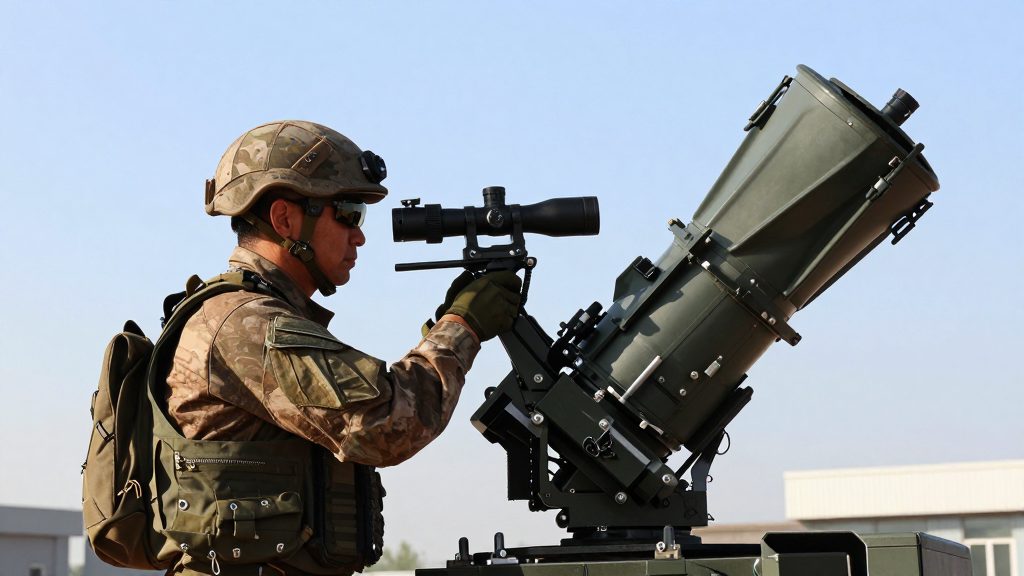
Modern warfare is about "information dominance," not just "precision." Weapon systems must collect, transmit, and incorporate information into decision-making, rather than operating in isolation.
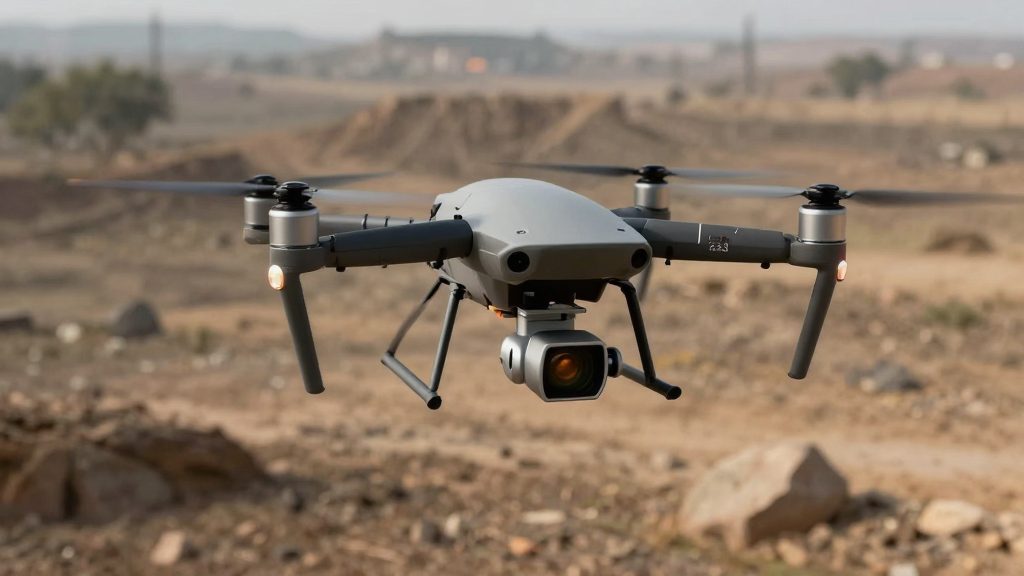
- Reconnaissance and Feedback Integration: Can the system receive real-time information from drones or satellites to adjust strikes?
- Balance Between Autonomy and Human Intervention: Systems with automated strike decision capabilities offer rapid responses, but the risk of fratricide is high.
Human final approval is often essential. - Security: Check for risks of hacking or manipulation of communication channels. Encryption levels and the stability of the network infrastructure are critical considerations during evaluation.
According to UNESCO's 2024 report, sustainability is increasingly critical in large-scale logistical planning. Industry projections for 2025 suggest that resource scarcity could impact 30% of supply chains. Therefore, assessing fuel and ammunition cycles is essential for long-term mission success.
Step 5: Incorporate Multiple Evaluators and Scenarios

Individual judgments can be biased.
Weapon systems, whose evaluation criteria vary depending on tactical objectives, should be reviewed from multiple perspectives.
- Create a Multi-Disciplinary Evaluation Team: Involving combat commanders, technical personnel, maintenance technicians, and fuel managers can identify problems from various perspectives.
- Test in a Variety of Combat Scenarios: The system's performance should be tested in various tactical environments, such as attack, defense, reconnaissance, and escape.
- Implement a Role-Based Evaluation Matrix: Assigning scores (1-5) for each performance element (precision, sustainability, etc.) and weighting them to calculate a comprehensive score can increase objectivity.
The evaluation of combat support weapon systems is more than just comparing technical specifications; it's a process of determining the system's ability to survive and effectively operate in combat.
A comprehensive review should consider functionality, environmental suitability, maintenance capabilities, and information connectivity, focusing on practicality and sustainability.
When evaluating, focus on "does it actually work well in the field" rather than striving for "perfect performance."
FAQ
현대 전장에서 전투 지원 무기 체계의 핵심 요소는 무엇인가요?
전투 지원 무기 체계를 효과적으로 평가하기 위한 첫 번째 단계는 무엇인가요?
무기 체계의 성능을 평가할 때 고려해야 할 구체적인 측정 기준에는 어떤 것들이 있나요?
Related posts
Popular posts
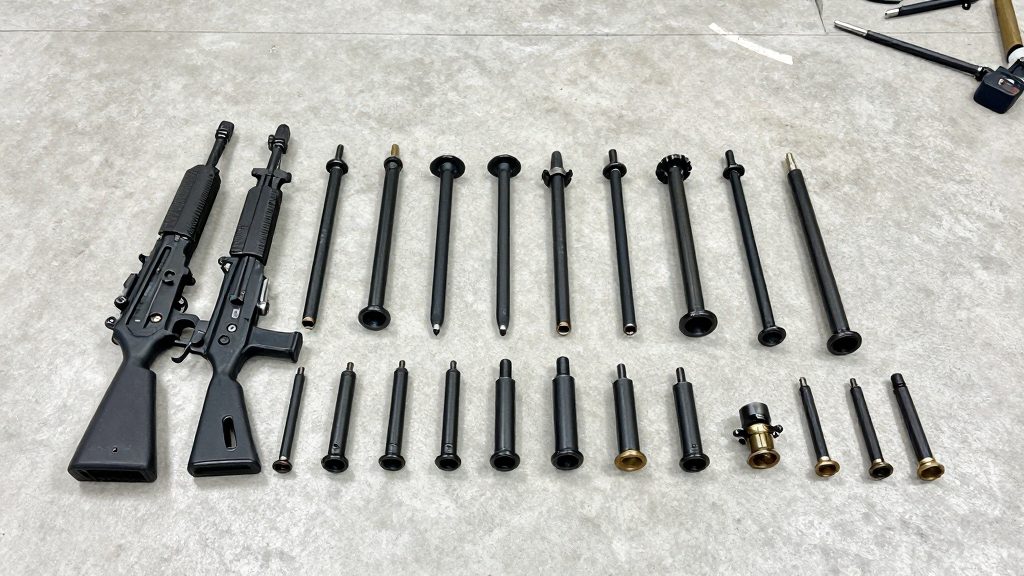
A Comparison of Russian-made vs. Chinese-made Small Arms
F-35 Adoption: Japan, Europe's Strategic Defense Plans

Comments 0