Fighter body structure performance: Thin wing guide
"To achieve the desired performance, Lockheed chose a small and simple aircraft, weighing in at 12,000 lb (5,400 kg) with a single powerful engine."
The relationship between fighter body structure performance and flight capability is defined by the trade-off between aerodynamic efficiency and mechanical constraints.
This analysis explores how thin wing profiles and weight management dictate flight envelopes, while noting that specialized hardware must compensate for structural limitations.
Key takeaways: * Wing thinness reduces drag but limits internal storage capacity. * Weight management is essential to maintain high-speed engine performance. * Specialized systems like boundary layer control assist with low-speed stability.
How does wing geometry impact fighter body structure performance?

A designer stares at a blueprint, tracing the sharp, tapered lines of a wing meant to slice through the atmosphere. This focus on aerodynamic drag reduction ensures that the aircraft can reach high velocities without excessive resistance.
The pursuit of speed led to a design where the wing was extremely thin, with a thickness-to-chord ratio of only 3.36% and an aspect ratio of 2.45. Such an aggressive profile minimizes wave drag at high speeds but creates significant engineering challenges for the airframe.
The leading edge of the wing was swept back at 26 degrees, with the trailing edge swept forward by a slightly smaller amount. This geometry optimizes the aircraft's ability to handle supersonic flight, though it restricts the space available for internal components.
Because the wing profile was so slim, the leading edges were only .016 in (0.41 mm) thick. This extreme thinness made the wing edges a hazard to ground crews during maintenance.
What are the trade-offs of a lightweight airframe?
An engineer calculates the weight of various components, knowing that every extra pound complicates the flight envelope. The balance between weight and power determines whether an aircraft can meet its mission requirements.
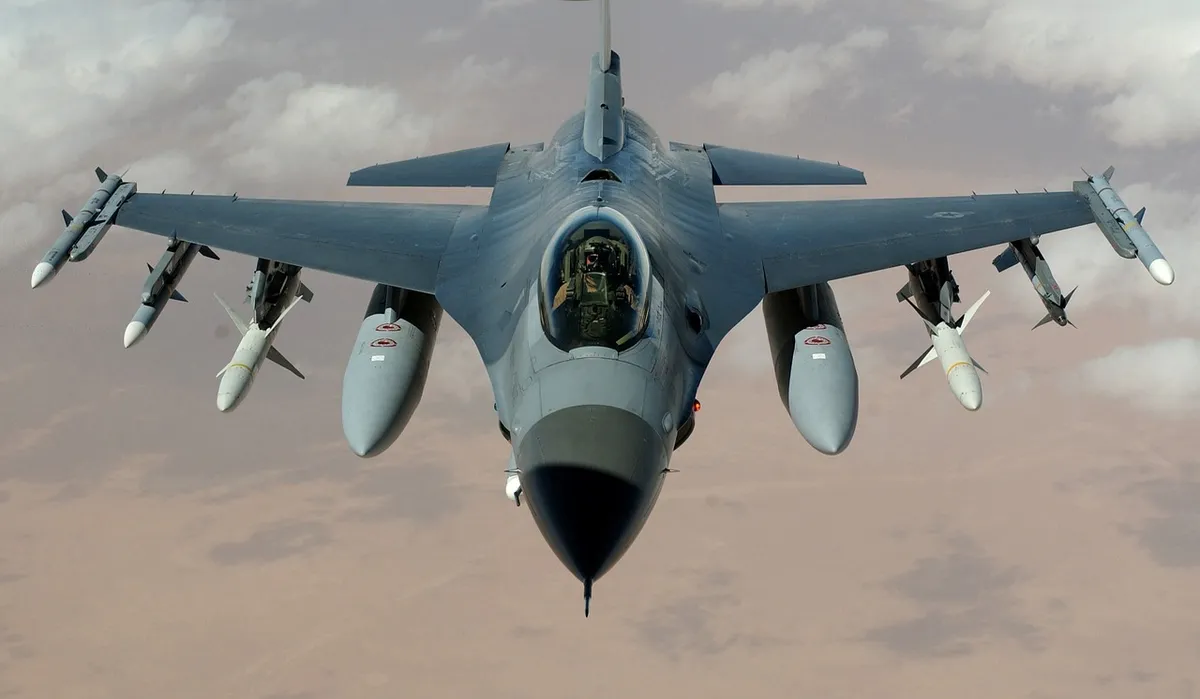
To achieve the desired performance, Lockheed chose a small and simple aircraft, weighing in at 12,000 lb (5,400 kg) with a single powerful engine. This light weight was critical for maintaining a high thrust-to-weight ratio during combat maneuvers.
In the early design stages, the team studied over 100 aircraft configurations, ranging from small designs at just 8,000 lb (3,600 kg) to large ones up to 50,000 lb (23,000 kg). These studies helped define the optimal weight for high-speed interception.
The thinness of the wings required fuel tanks and landing gear to be placed in the fuselage, and the hydraulic cylinders driving the ailerons were limited to 1-inch (25 mm) thickness to fit. This constraint shows how structural integrity flight envelope requirements dictate the internal layout.
How does thinness influence internal component placement?
A mechanic carefully maneuvers a heavy fuel tank into a narrow fuselage compartment, mindful of the tight tolerances. The lack of internal volume in the wings forces a complete redesign of traditional aircraft layouts.
The lack of space in the wings meant that fuel and landing gear could not be housed in the wing structure itself. Instead, these essential systems had to be moved into the fuselage to maintain the aerodynamic shape.

This placement strategy affects the aircraft's center of gravity and structural loading. Engineers must ensure that moving heavy components to the fuselage does not compromise the aircraft's agility or balance.
The necessity of using the fuselage for storage demonstrates how aircraft design strength metrics are often a compromise between aerodynamic perfection and practical utility.
How is low-speed stability managed in high-speed designs?
A pilot approaches the runway, feeling the aircraft's behavior as the flaps extend to catch the air. For a craft designed for speed, landing represents a significant aerodynamic challenge.
Designers developed a boundary layer control system, or BLCS, of high-pressure bleed air, which was blown over the trailing-edge flaps. This system served to lower landing speeds by more than 30 knots (56 km/h; 35 mph) and help make landing safer.
The BLCS uses engine air to re-energize the airflow over the wings, preventing stalls at lower speeds. This technology allows a high-speed interceptor to remain controllable during the critical landing phase.
| Feature | Measurement/Value |
|---|---|
| Thickness-to-chord ratio | 3.36% |
| Aspect ratio | 2.45 |
What are the practical steps for managing structural constraints?
A technician inspects the hydraulic lines, ensuring they fit within the narrow confines of the airframe. Managing these tight tolerances requires precision and specialized engineering solutions.
- Integrate essential systems, such as fuel tanks and landing gear, into the fuselage to preserve wing thinness. 2. Utilize specialized hydraulic components, such as 1-inch (25 mm) thick cylinders, to fit within the limited wing volume. 3. Implement aerodynamic assistance, such as a boundary layer control system, to manage low-speed flight.
A final check of the hydraulic systems ensures that the aileron movements remain responsive despite the compact hardware.
What are the limitations of these design choices?
An inspector walks around the wing, watching the sunlight glint off the razor-thin metal edge. The very features that enable high performance also introduce specific operational risks.
According to the Dryden Flight Research Center, a total of 12 F-104A, F-104B, F-104N, and TF-104G aircraft performed high-speed and altitude flight research at Dryden Flight Research Center. According to NASA, the Starfighter served with NASA from 1956 until 1994.
The primary limitation is that the thinness of the wings restricts the amount of internal volume available for fuel and equipment. This constraint forces engineers to find alternative locations for heavy components, which can impact the overall weight distribution.
Additionally, the extreme thinness of the wing edges can pose a physical hazard to personnel. While the design optimizes the fighter airframe performance link, it requires specific operational precautions.
The focus on high-speed performance through thin wing geometry imposes strict limits on internal volume and component size.
- How does wing geometry impact fighter body structure performance?
- What are the trade-offs of a lightweight airframe?
- How does thinness influence internal component placement?
The subject here is fighter body structure performance.
The same subject is also called aerodynamics structure flight data.
The same subject is also called fighter body shape drag analysis.
Related





Comments 0