F-35 Adoption: Japan, Europe's Strategic Defense Plans
"Stealth is not just about being invisible; it is about mastering the information of the battlefield."
The F-35 Lightning II is being adopted by nations for vastly different strategic purposes based on their specific security environments.
While Japan is acquiring large quantities to bolster maritime and airspace defense, European nations are using the aircraft to replace aging fleets or enhance regional stability.
* Japan: Utilizing a mix of F-35A and F-35B models to strengthen both aerial and maritime operations. * Germany: Pursuing next-generation air superiority through an estimated $8.4 billion contract. * Poland: Serving as a cornerstone of Eastern European defense with a $6.5 billion agreement. * Czech Republic: Modernizing its air force with a deal worth up to $5.62 billion.
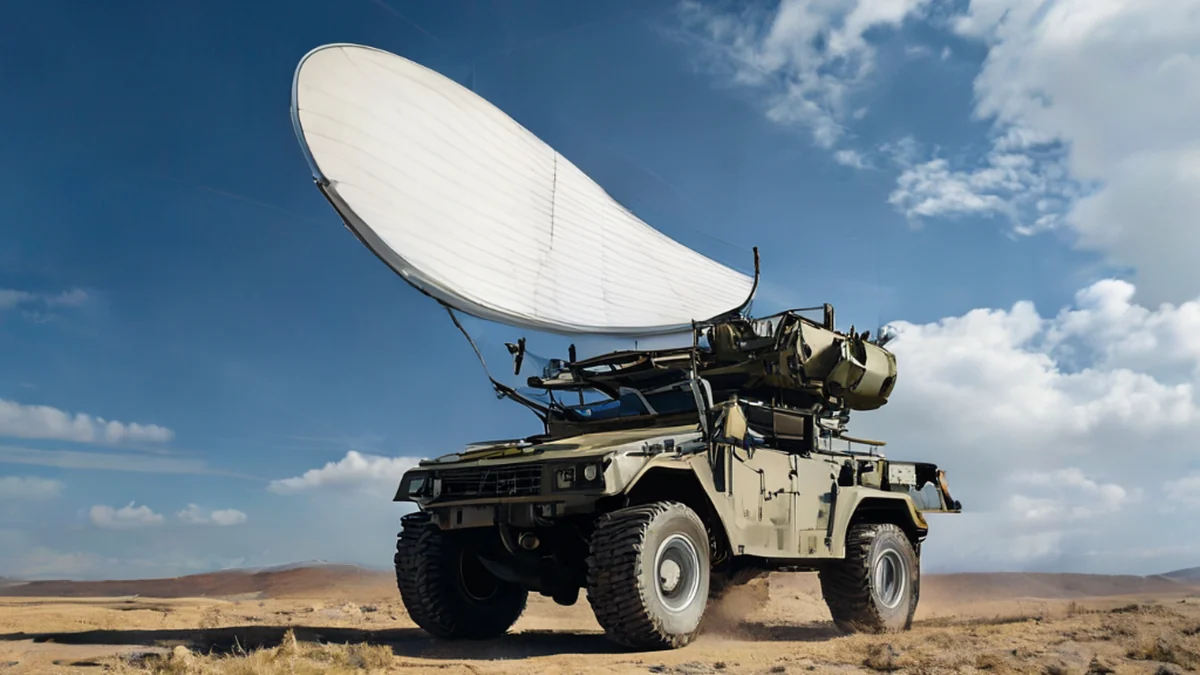
Why is Japan purchasing so many F-35s?
Sitting on a living room sofa late in the evening, I watched the news as the massive roar of a jet engine vibrated through the screen. The footage showed a pilot adjusting a high-tech helmet, preparing for a mission that felt far more significant than a routine training flight.
Japan is not just buying a few fighters; it is investing massive amounts of capital to shift its entire national defense paradigm.
According to the Defense Security Cooperation Agency, the US Department of State approved a potential $23.11 billion sale of 105 F-35 aircraft to Japan, consisting of 63 F-35As and 42 F-35Bs, along with related equipment and services.
This acquisition followed a very specific, phased plan. According to Wikipedia, in May 2012, a notification to Congress from the US Defense Security Cooperation Agency outlined the details of a proposed sale of 42 Lockheed Martin F-35A fighter aircraft to Japan at $10 billion.
The decision to include the F-35B is particularly noteworthy. Because the F-35B is a Short Take-Off and Vertical Landing (STOVL) variant, it is directly linked to the Japan Maritime Self-Defense Force's ability to operate from light aircraft carriers.
This is a strategic choice to secure flexibility in maritime operations alongside traditional air combat capabilities.
As I reviewed the flow of Japan's defense budget, I was surprised by the sheer scale of this strategic decision. When I tried to map out the logistics of such a massive fleet, I realized that the hardware is only half the battle.
If I were a policymaker, I might have prioritized operational maintenance efficiency to offset initial costs, but Japan's choice appears to be driven by something much larger than a simple line item in a budget. However, Japan's massive investment is just one piece of a much larger European puzzle.
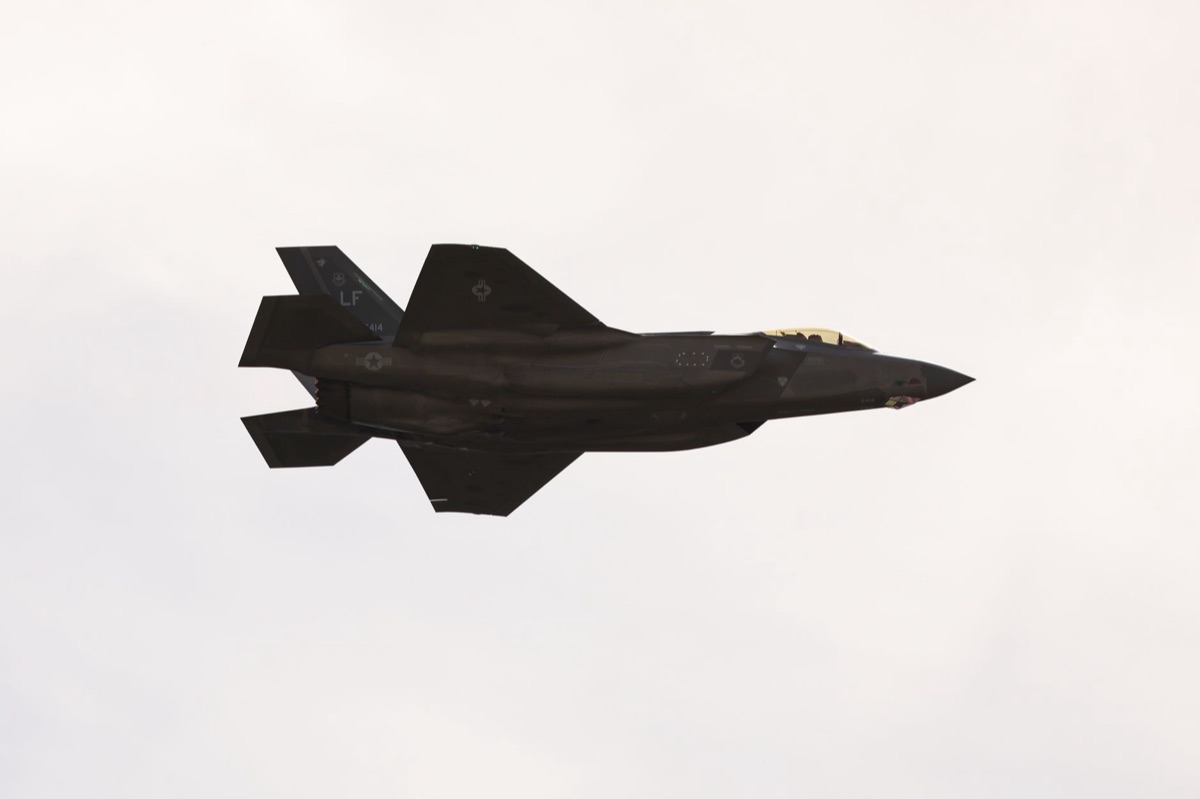
How are European nations using different strategies?
Imagine a cold morning at a European airbase, where technicians in heavy gloves meticulously inspect the specialized stealth coating on a jet's wing. Every nation in Europe is utilizing the F-35 differently based on its unique geopolitical position.
In Eastern Europe, where the security landscape is shifting rapidly, Poland has moved decisively. According to the Defense Security Cooperation Agency, on 11 September 2019, Poland was cleared to purchase 32 F-35A fighters, along with associated equipment, for an estimated cost of $6.5 billion.
Germany, a major power in Western Europe, has also joined this trend.
According to the US State Department, a determination was made on 28 July 2022 approving a possible Foreign Military Sale to the Government of Germany of F-35 Aircraft, Munitions, and related equipment for an estimated cost of $8.4 billion.
Germany aims to transition its existing combat systems toward a stealth-based, network-centric warfare model. Even the Czech Republic is looking toward the F-35 for modernization.
According to a 29 June 2023 announcement, the State Department approved a possible sale to the Czech Republic of F-35 aircraft, munitions and related equipment worth up to $5.62 billion.
Comparing these cases, I noticed how starkly different the priorities are. Each country is searching for an optimal combination of assets that fits its specific defense environment rather than following a one-size-fits-all solution.
But while Europe focuses on regional stability, some nations are looking for something else entirely.
Why did Switzerland choose high efficiency despite the cost?
Picture a fighter jet ascending rapidly against the silent, snowy backdrop of the Alps. Switzerland, traditionally a neutral nation, maintains a demand for highly precise and powerful aerial defense systems.
The Swiss government's approach focuses on total system optimization.
According to Wikipedia, on 30 June 2021, the Swiss Federal Council proposed the acquisition of 36 F-35As to Parliament at a cost of up to 6 billion Swiss francs (US$6.5 billion), citing the aircraft's cost- and combat-effectiveness.
Even with the high price tag, the decision was based on the judgment that the F-35 offered the highest level of combat efficiency. Analyzing the Swiss process made me realize that high-cost equipment is often viewed as a long-term investment in stability rather than a short-term expense.
Yet, choosing the right model is more complex than just picking the highest efficiency.
What are the differences between the F-35 models?
Inside a dimly lit hangar, several different versions of the F-35 sit in a row, each looking slightly different under the overhead lights. Their physical designs reflect their specific mission profiles.
| Feature | F-35A (Conventional) | F-35B (STOVL) | F-35C (Carrier-Based) |
|---|---|---|---|
| Take-off/Landing | Standard Runway | Short Take-off / Vertical Landing | Carrier Operations |
| Primary Users | US, Japan, Poland, Germany | US, Japan | US |
| Main Advantage | Operational efficiency and economy | Versatility in diverse environments | Reinforced structure for high impact |
Looking at these specifications, the difference in operational intent becomes clear. It is not just about raw performance, but about how well the aircraft fits its intended environment. However, even with these distinct models, the history of their development was far from smooth.
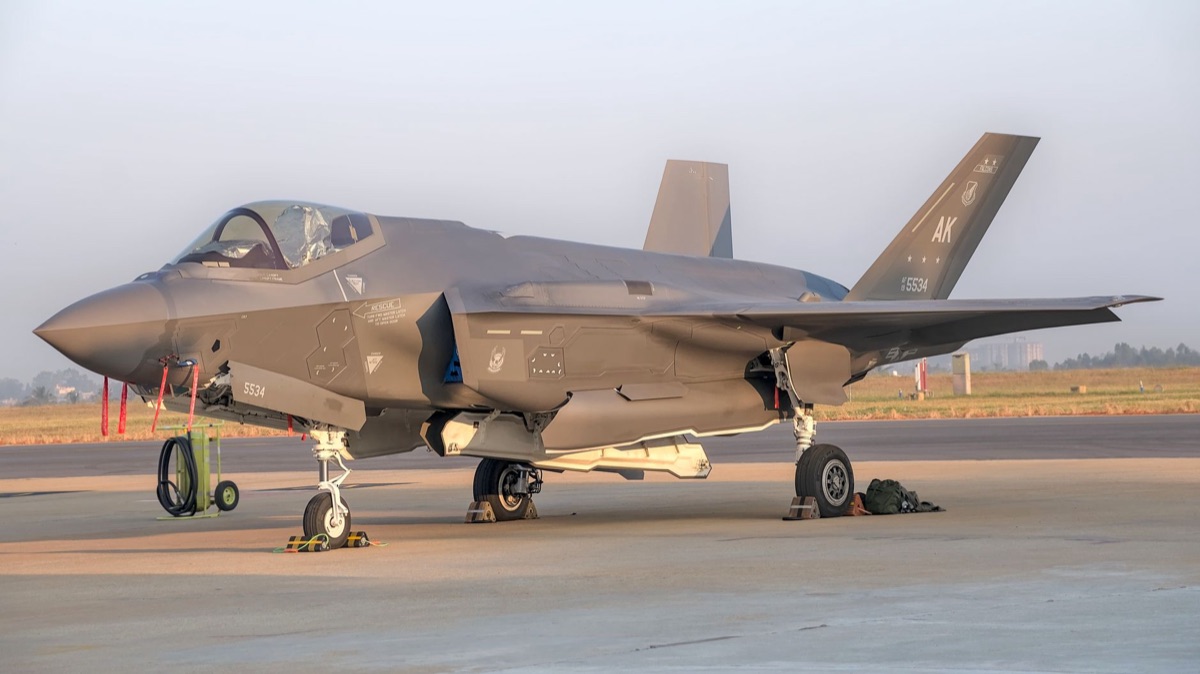
Technical challenges during the F-35 development
I can almost see the engineers huddled over complex blueprints, working through the night with calculators to solve structural problems. The F-35 faced significant technical hurdles during its development, which led to several physical redesigns.
To optimize performance, several structural changes were required. The forward fuselage was made 5 inches (130 mm) longer to accommodate new avionics. To maintain balance and control, the horizontal stabilators were subsequently moved 2 inches (51 mm) rearward.
Additionally, the top surface of the fuselage was raised by 1 inch (25 mm) along the center line [T10].
The most difficult period involved the F-35B model's weight issues. In 2004, the F-35B was at risk of failing to meet performance requirements because it weighed approximately 2,200 lb (1,000 kg), or 8%, more than planned [T11].
While a massive redesign effort by September 2004 successfully reduced the design weight by 2,700 pounds (1,200 kg), the process cost $6.2 billion and delayed the entire project by 18 months [T12].
What should be considered when adopting the F-35?
In a high-level briefing room, defense officials point to maps and red lines, debating the long-term implications of a new acquisition. Deciding to adopt the F-35 involves much more than just the sticker price.
To properly evaluate an acquisition, nations typically follow these steps:
- Security Environment Analysis: Assessing the power gap and potential threats from neighboring countries.
- Infrastructure Readiness: Ensuring existing runways and hangars can support stealth aircraft operations.
- Economic Impact: Evaluating the effect on the domestic aerospace industry and the total defense budget.
- Political Consensus: Gauging public support and the likelihood of legislative approval.
The complexity of these variables is evident when looking at different national approaches. If I were tasked with this decision, I would look past the aircraft's immediate performance and prioritize the long-term logistics and support systems that will be required for decades.
It is important to note, however, that the F-35 is not a universal solution.
Its high maintenance requirements and specialized infrastructure needs mean it may not be suitable for nations with limited budgets or those solely focused on low-intensity domestic policing rather than high-end aerial warfare.



Comments 0