Fighter guide: Advanced tech shapes combat 7,300
"The evolution of aerial combat power is defined not just by speed, but by the strategic integration of advanced technology and mission-specific design."
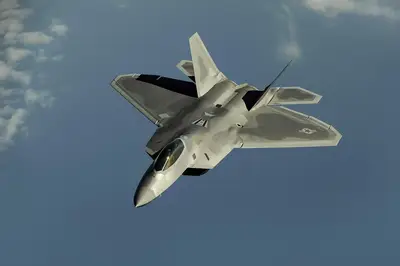
The development of high-performance fighter aircraft shapes global security through technological superiority and long-range engagement capabilities.
This analysis explores how specialized design requirements, such as carrier-based operations and advanced radar integration, drive the evolution of US fighter strategic role.
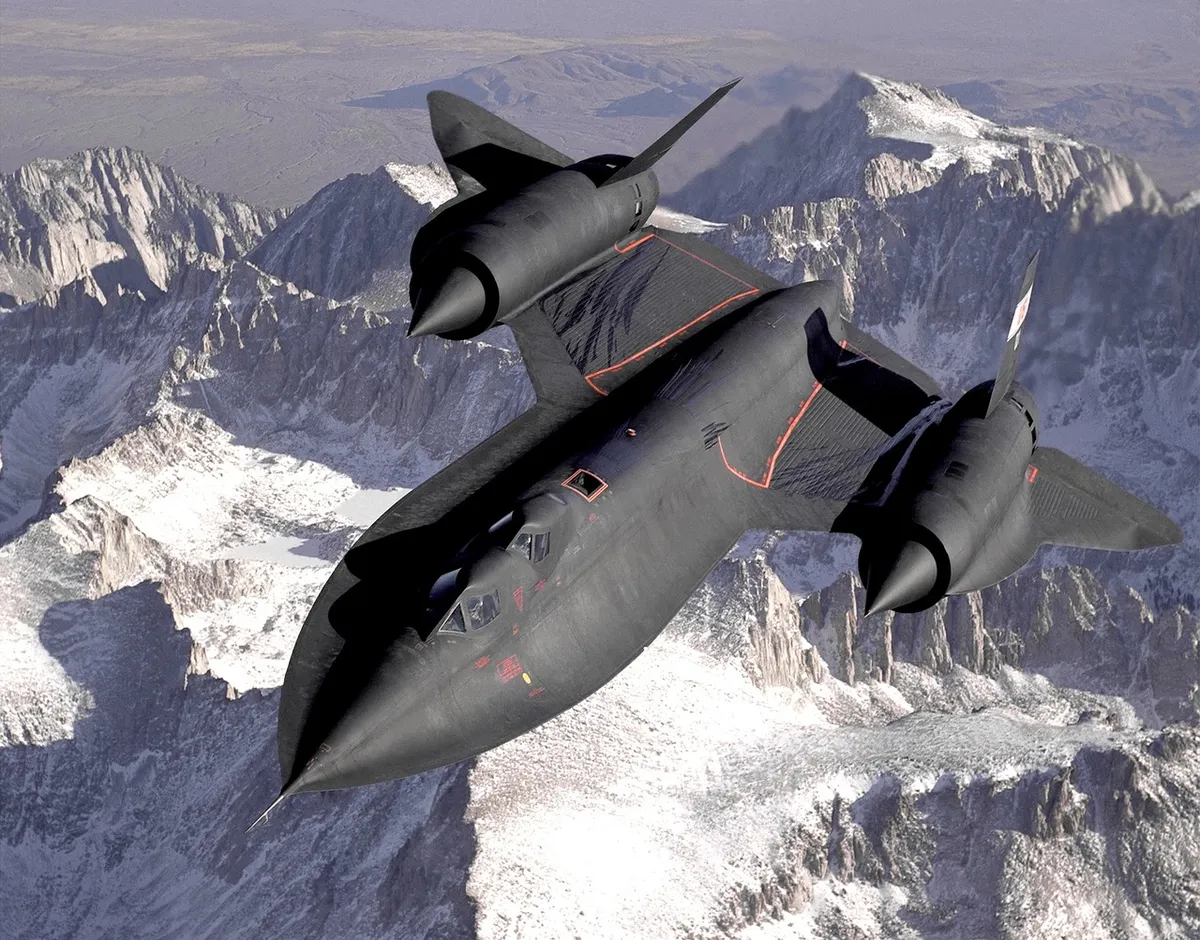
Key takeaways include the impact of specialized mission requirements on airframe design, the importance of fleet modernization, and the shifting nature of air superiority through technological advancement.
How do specialized mission requirements shape US fighter strategic role?
At dusk on the carrier deck, the technician wipes grease from his hands while inspecting the heavy airframe of the specialized fighter.
A technician examines the heavy airframe of a carrier-capable fighter in a hangar. The necessity of carrying heavy equipment often dictates the fundamental architecture of an aircraft.
For example, the requirement to carry the large AWG-9 radar and AIM-54 Phoenix missiles, alongside an internal fuel load of 16,000 lb (7,300 kg), influenced the design of specific carrier-based fighters.
This weight and equipment load necessitated a robust airframe capable of operating from an aircraft carrier. Such design constraints ensure that the aircraft can perform specialized, long-range interception roles.
The transition from pure interceptors to multi-role platforms represents a significant shift in US jet combat power. Engineers must balance payload capacity with the physical limitations of carrier decks. This balance is critical for maintaining presence in maritime theaters.
What role does fleet modernization play in US air superiority tech?
A maintenance crew works on an aging jet to prepare it for a new mission profile. Modernization ensures that existing platforms remain relevant against emerging threats.
The State Department passed a $23 billion package that included the modernization of existing F-16 fleets and new 40 F-16 Block 70 fighter jets, as well as a wide range of ammunitions. This level of investment ensures that current fleets can integrate newer sensors and weapons systems.
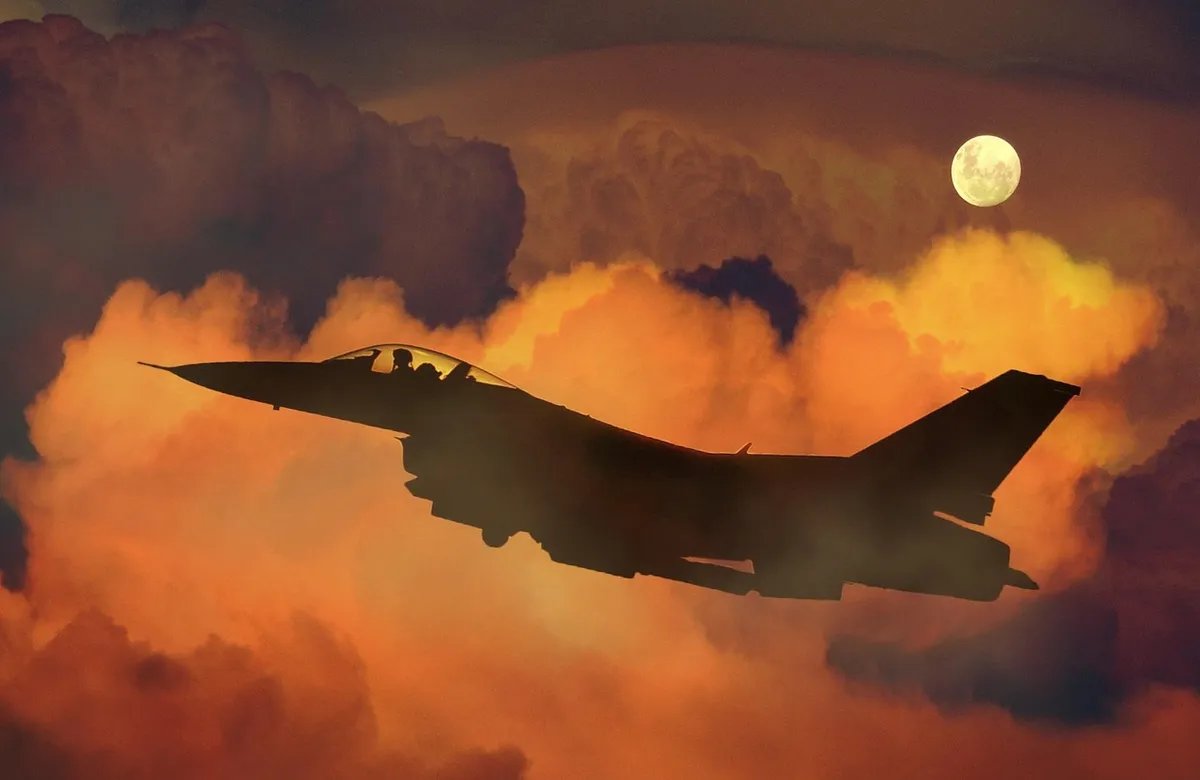
Such upgrades are essential for sustaining long-term readiness.
Maintaining a modern fleet is a cornerstone of Fighter air power role. By updating older airframes, operators can bridge the gap between legacy systems and next-generation technology. This process allows for a more gradual and cost-effective transition to newer models.
How did design life and reliability affect fighter air power role?
A pilot reviews flight logs to track the cumulative hours on a refurbished engine. Durability is as vital as speed when planning long-term deployment strategies.
The design service life for certain high-performance aircraft was 6,000 flight hours, although this was later extended to 7,200 hours. This extension reflects the ability to refine maintenance protocols to maximize the utility of an airframe.
Reliability in the air is a prerequisite for strategic mission success.
The ability to extend service life through engineering improvements directly impacts the sustainability of a nation's aerial assets. It allows for more predictable deployment cycles. This reliability is a key component of modern warfare capability shift.
What are the primary steps for integrating new fighter technologies?
An engineer monitors the data stream during a ground test of a new avionics suite. Integrating new technology into existing fleets requires a structured approach to ensure mission readiness.
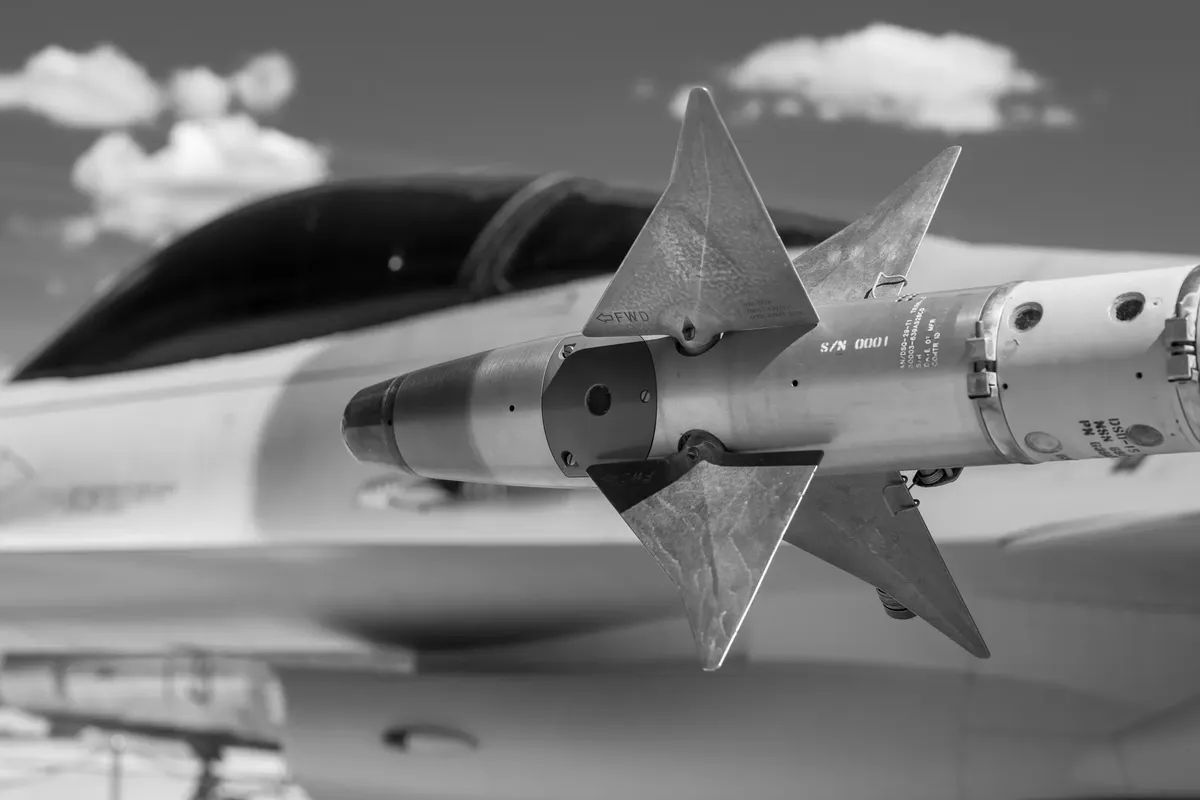
- Assess the technical requirements of the new hardware, such as radar or missile systems, against the existing airframe's structural limits. 2. Implement software and hardware upgrades to ensure seamless communication between the pilot and the new systems. 3. Conduct rigorous flight testing to verify that the new capabilities meet the intended strategic mission parameters.
I observed how these upgrades changed the flight characteristics of the aircraft during a simulated combat mission. This comparison shows that technology must be integrated carefully to maintain stability.
A limitation exists when upgrading older airframes, as the original design might not accommodate the most advanced modern sensors without significant structural changes.
How do emerging global platforms compare to established fighter standards?
A strategist looks at a digital map showing various air assets across different regions. The global landscape is constantly changing as new platforms enter service.
According to the Eurofighter and Tornado Management Agency, the Spanish government signed a contract with the Munich-based NATO Eurofighter and Tornado Management Agency (NETMA) on 20 December 2024 for the acquisition of 25 additional Eurofighter aircraft under the Halcon II programme.
The International Institute for Strategic Studies (IISS) reported more than 140 aircraft in service in 2022, according to The International Institute.
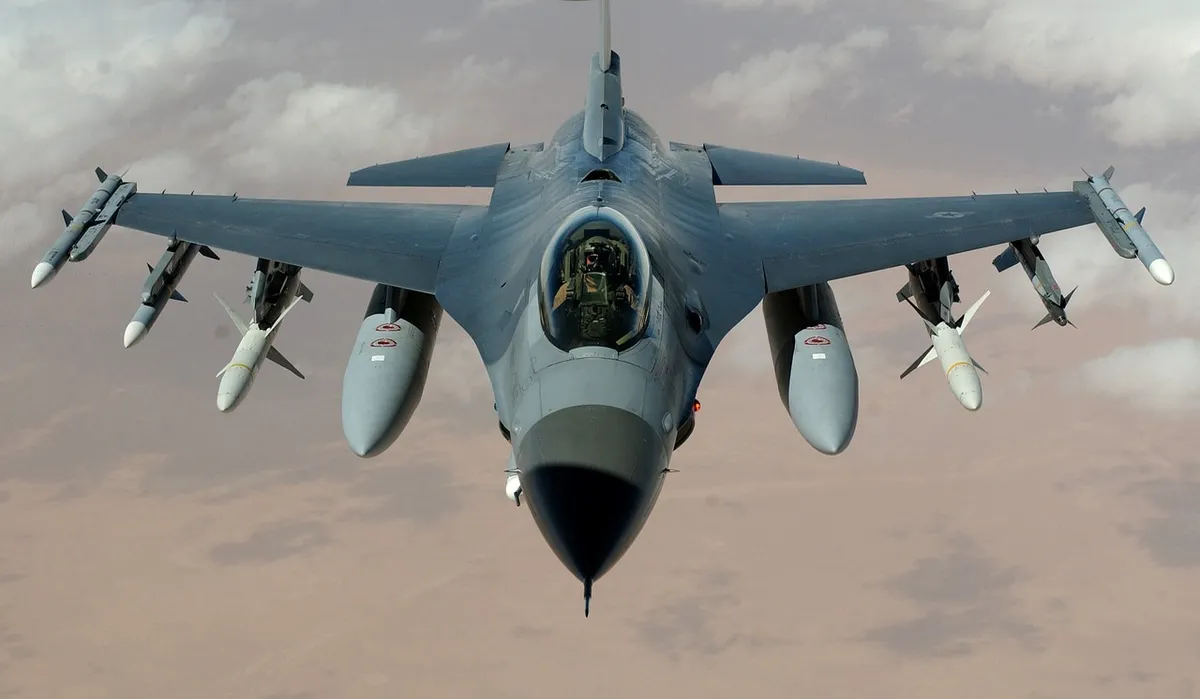
The International Institute for Strategic Studies (IISS) reported more than 140 aircraft in service in 2022. This figure highlights the scale of global aerial competition. As different nations deploy various models, the strategic environment becomes increasingly complex.
| Feature | Legacy Requirement | Modernized Capability |
|---|---|---|
| Payload Focus | Heavy radar and missile loads | Integrated multi-role munitions |
| Service Focus | Initial design life | Extended flight hour capability |
The table above illustrates the shift from single-purpose heavy interceptors to more versatile, modernized fleets. This comparison helps in understanding the trajectory of fighter development.
- How do specialized mission requirements shape US fighter strategic role?
- What role does fleet modernization play in US air superiority tech?
- How did design life and reliability affect fighter air power role?
Related
- Drone guide: Russia's 22 low-cost weapon development
- Fighter combat power evolution: Tips for next-gen aircraft
How does the evolution of aerial combat power depend on technological adoption?
The evolution of aerial combat power relies heavily on the successful adoption of new technologies to maintain a competitive edge. The integration of advanced radar and missile systems into the airframe is crucial for modern operational effectiveness.
This integration allows the aircraft to perform complex interception roles previously unattainable with earlier designs.
This technological adoption moves the aircraft beyond simple interception roles into complex multi-role platforms. The successful execution of these varied missions depends on the pilot's ability to manage the combined data streams from the newly integrated systems.
The comparison between legacy and modern capabilities underscores this dependency on advanced technology.
What are the operational cautions when introducing new fighter technologies?
One caution involves the structural limits of the original airframe when attempting to incorporate modern sensors. The original design might not support the most advanced avionics without substantial structural reinforcement.
Another caution is ensuring that software upgrades communicate flawlessly with the hardware to maintain flight stability during combat simulation.



Comments 0