A Comparison of Russian-made vs. Chinese-made Small Arms
In the Korean defense industry, one of the frequently discussed topics is the selection of alternatives to foreign suppliers for "small arms systems." Specifically, when comparing Russian and Chinese small arms, an analysis of which side offers greater tactical flexibility, durability, and ease of maintenance in realistic combat environments suggests that Russian-made weapon systems generally demonstrate higher reliability under demanding combat conditions and for extended use. This article provides a practical comparison of weapon systems from both sides, highlighting key considerations that soldiers and maintenance personnel must keep in mind.
Section Headings
1. Environmental Durability: Operational Stability in Extreme Weather
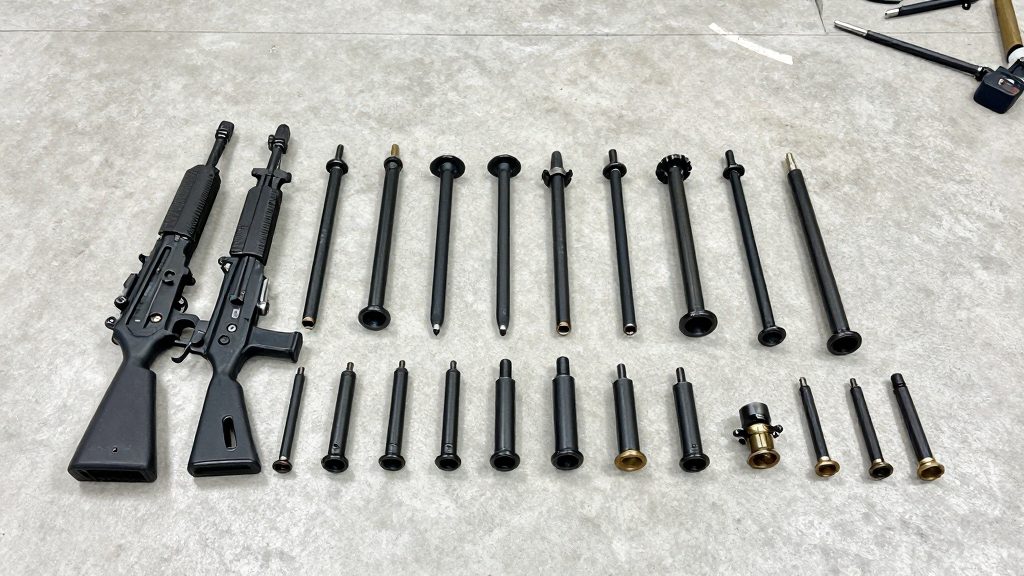
- Russian-made weapons: Many models are designed to operate in harsh combat environments with significant temperature fluctuations (e.g., Arctic regions, Central Asian deserts). In particular, the cold-weather performance has been validated, reflecting Russia's military operational experience in polar regions, with solutions implemented to address issues like oil viscosity at -50°C. The design also incorporates relatively high-level considerations for thermal expansion and contraction of internal components.
- Chinese-made weapons: Most models are designed for ambient temperatures, and rapid heat buildup or internal coating detachment can occur at high temperatures. There is a tendency for mechanical issues to increase with long-term use in extreme environments. In particular, water and dust resistance may be lacking in high-temperature and humid regions (e.g., Southeast Asian battlefields).
✅ Practical Checkpoint: If a maneuver combat unit is likely to be deployed in high-latitude or extreme weather regions, the environmental durability of Russian-made weapons is a crucial consideration.
2. Ease of Maintenance and Supply Chain
- Russian-made weapons: A relatively well-established tactical weapon maintenance infrastructure exists worldwide. In particular, the maintenance network is active in Eastern Europe and the Middle East, making local component procurement relatively easy. Many models are used by various branches of the military (e.g., Air Force, Marine Corps), resulting in high consistency in maintenance manuals and tools.
- Chinese-made weapons: Access to maintenance data and training materials is relatively limited. Some models are reportedly difficult to inspect by maintenance technicians unless they receive specialized training, due to features like special laser sights or electronic firing systems. The supply chain for components can also be complex in some cases.
✅ Practical Checkpoint: If a unit is likely to face situations where maintenance personnel are limited in the field, Russian-made weapons offer a significant advantage due to the consistency of their maintenance processes.
3. Muzzle Stability of Light Weapons (Controlling Recoil During Firing)
- Russian-made weapons: Many models incorporate recoil dampening designs. In particular, for weapons using 5.45mm or 7.62mm rounds, the time required for re-aiming after firing is relatively short. They also exhibit high performance in controlling the trajectory of projectiles during continuous firing.
- Chinese-made weapons: Some lower-cost models have simplified recoil control structures, which can result in significant muzzle climb during continuous firing. In particular, the time required to re-acquire a target may increase in high-speed firing modes.
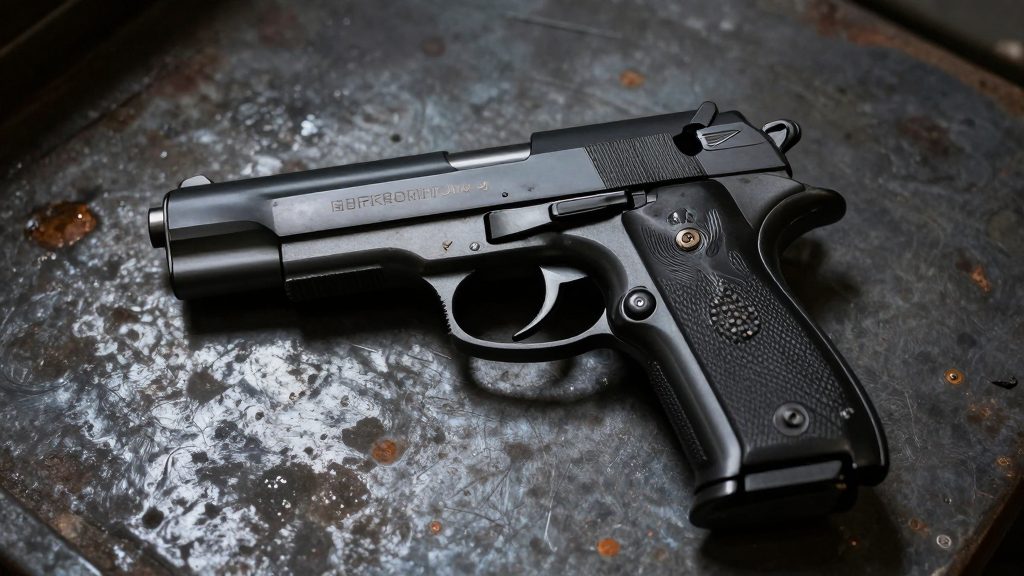
✅ Practical Checkpoint: If a unit primarily conducts tactical small-arms fire (e.g., infiltration operations, reconnaissance within an engagement area), muzzle stability is a critical factor in combat effectiveness.
4. Integration Potential of the Overall Weapon System (Equipment Interoperability)
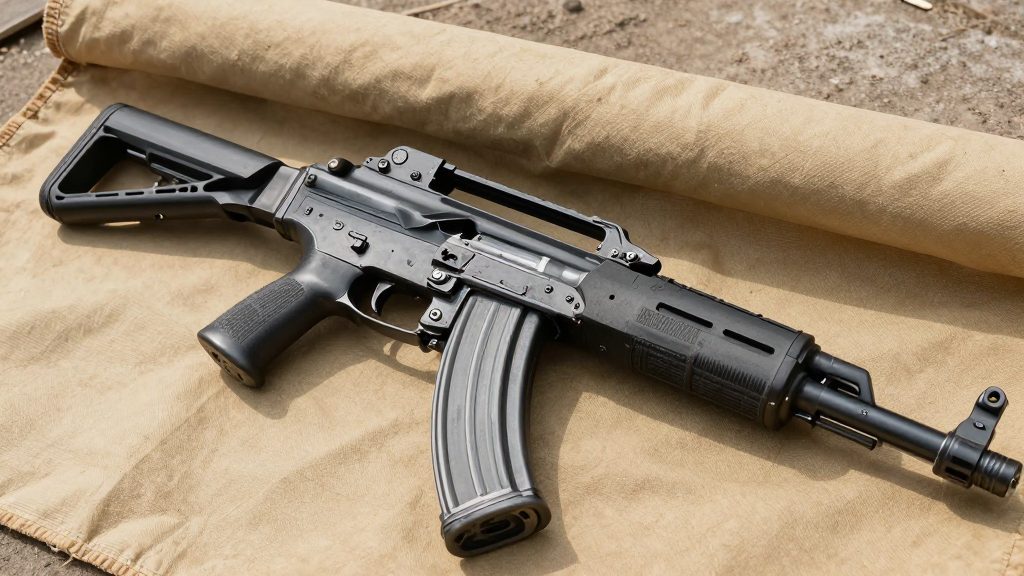
- Russian-made weapons: They integrate well with existing military equipment ecosystems, and interoperability is relatively smooth with features like laser sights, tactical telephones, and helmet-mounted visual equipment. In particular, standardization of auxiliary equipment (e.g., ammunition battery adapters) is well-established.
- Chinese-made weapons: The level of integration design varies, and some products may lack external connection ports or use non-standard specifications. Misalignment errors can occur when combined with laser sights.
✅ Practical Checkpoint: If it is important for weapons and auxiliary equipment to function as a single integrated system, Russian-made weapons offer greater reliability due to their higher level of standardization.
| Item | Russian-made Weapons | Chinese-made Weapons |
|---|---|---|
| Extreme Weather Durability | ✅ High (Excellent in both low and high temperatures) | ⚠️ Medium to Low (Vulnerable to heat and humidity) |
| Ease of Maintenance | ✅ Global maintenance infrastructure exists, easy to obtain data | ⚠️ Limited training materials, unclear supply chain |
| Firing Stability (Recoil Control) | ✅ Excellent trajectory control during continuous firing | ⚠️ Significant muzzle climb in some models |
| Auxiliary Equipment Integration | ✅ Standardized ports, high success rate of interoperability | ⚠️ Potential for non-conformance, limited combinations |
Recommended For:
- Personnel anticipating long-term combat in extreme environments (e.g., northern border regions, mountain reconnaissance units)
- Units with personnel capable of self-sufficiency in maintenance
- Tactical team leaders or mechanized unit maintenance personnel who prioritize interoperability with auxiliary equipment
- Units seeking to ensure compatibility with existing equipment during international joint training or external deployments
Overall Assessment:
Russian-made small arms systems stand out for their durability in combat environments and design considerations for long-term operational use. In particular, they offer superior practicality compared to Chinese-made weapons in terms of environmental adaptability and ease of maintenance. However, the choice of system depends on the specific tactical situation and unit operating procedures. Therefore, it is essential to conduct testing in actual operational environments rather than relying on a single criterion.


Comments 0