G-force human body limits: Early vs modern fighter flight
A pilot pulls back on the stick, feeling the crushing weight of gravity press against their chest as the aircraft climbs into the blue.
High G acceleration effects can push the human body to its physiological limits, often requiring specialized equipment to prevent loss of consciousness. This guide examines the transition from early aviation to modern performance and the technical shifts required to manage high-speed flight.
Key takeaways include the evolution of airframe design, the history of engine power increases, and the fundamental differences between early biplanes and advanced fighter jets.
How did early flight differ from modern G-force requirements?
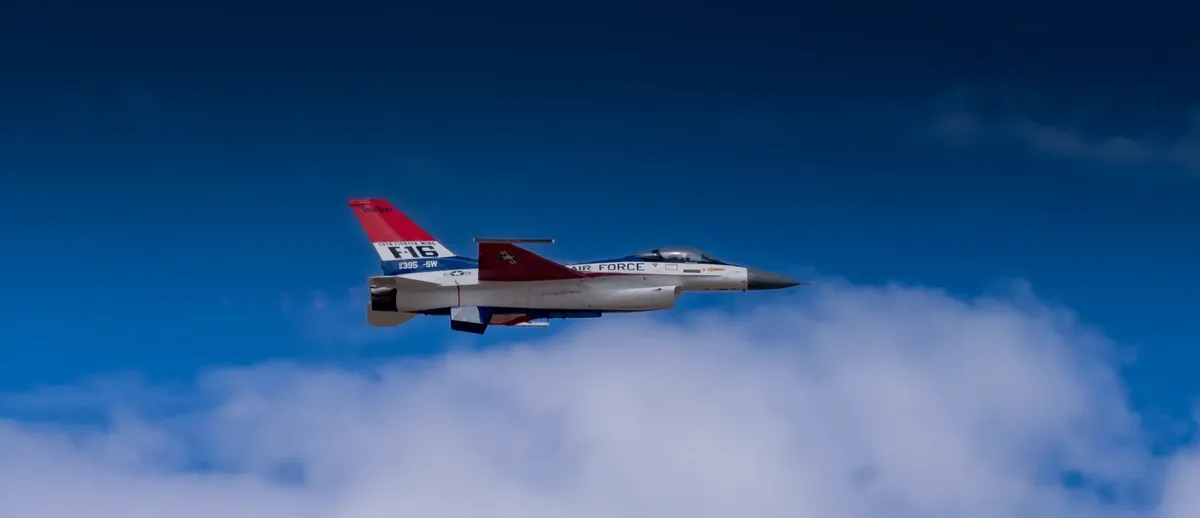
A pilot sits in a cramped wooden cockpit, feeling the wind rush past a fabric-covered frame. Early fighters were very small and lightly armed by later standards, with most being biplanes built with a wooden frame covered with fabric. These aircraft had a maximum airspeed of about 100 mph (160 km/h).
The physical demands of flight were minimal compared to modern maneuvers because speeds were low. These early machines lacked the structural rigidity and engine power to generate high G-force loads. As technology advanced, the shift from wood to metal allowed for much higher acceleration.
Early aviators operated within much lower structural and physiological limits than modern pilots.
How did aircraft performance evolve through the wars? G-force human body limits
A mechanic wipes grease from an all-metal wing during a mid-century maintenance routine. By World War II, most fighters were all-metal monoplanes armed with batteries of machine guns or cannons. Some of these aircraft were capable of speeds approaching 400 mph (640 km/h).
The change in materials and engine technology fundamentally altered how pilots experienced flight. This evolution moved the industry away from light, fabric-covered frames toward heavy, high-performance machines.
High G-load tolerance became a necessity as airframes became more robust and engines more powerful.
The progression of combat technology followed a clear path of development: 1. Initial focus on reconnaissance and basic lift. 2. Transition to specialized fighter and bomber roles. 3. Integration of high-speed aerodynamic optimization.
What engine changes drove higher acceleration?
An engineer inspects a massive V-12 engine, noting the jump in horsepower from previous generations.
Aircraft engines increased in power several-fold over the period, going from a typical 180 hp (130 kW) in the 900 kg (2,000 lb) Fokker D.VII of 1918 to 900 hp (670 kW) in the 2,500 kg (5,500 lb) Curtiss P-36 of 1936.
These power increases allowed for much more aggressive maneuvering, which directly affects the pilot. As engines grew, they were often replaced by the stationary radial engine, though major advances led to inline engines gaining ground.
This included exceptional engines such as the 1,145 cu in (18,760 cm3) V-12 Curtiss D-12.
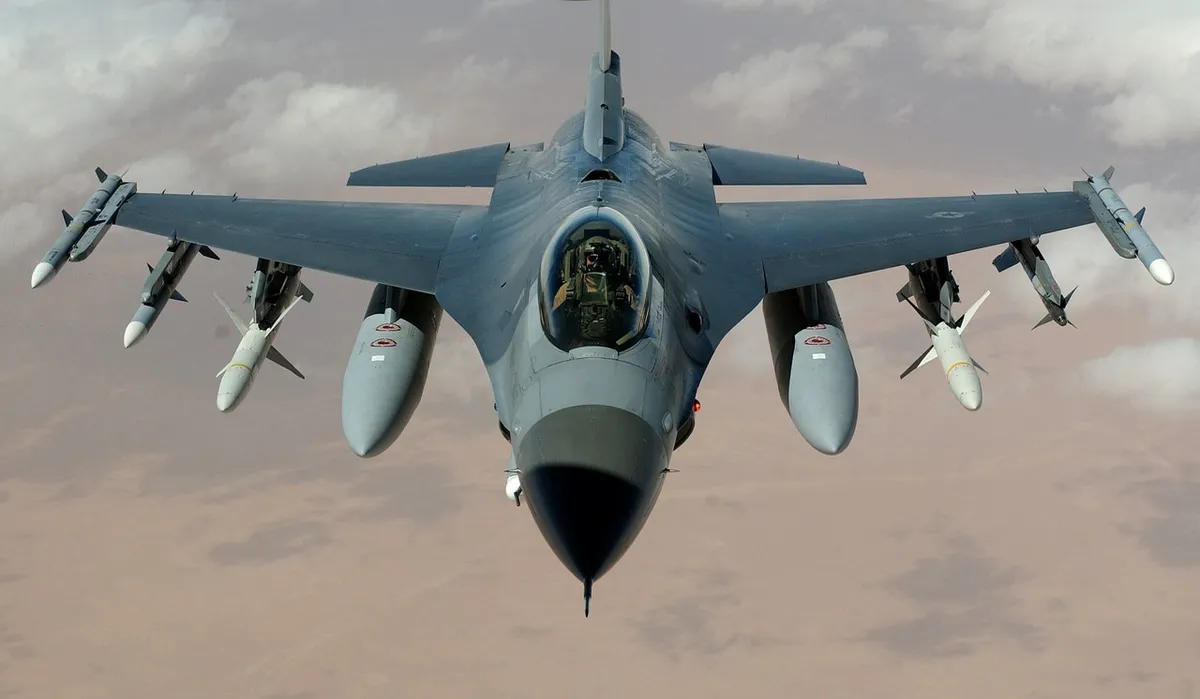
In this sequence, the second step represents the most significant leap in power-to-weight ratios.
How did design changes affect fighter capability?
A designer compares a new wing profile to an older reference model to ensure stability. Mitsubishi used the existing F-16 design as a reference guide for design work, and more than 95% of F-16 engineering drawings were changed for the F-2.
According to the State Department, a $23 billion package was passed that included the modernization of existing F16 fleets and new 40 F16 Block 70 fighter jets, as well as a wide range of ammunitions.
Modern fighter design focuses on balancing structural integrity at high G with aerodynamic efficiency. When compared to the F-16 Block 40, the F-2 differs in the following aspects: An increase in wingspan and root chord, with 25 percent more wing area.
This increased area helps manage the flight envelope during high-performance maneuvers.
Structural reinforcement allowed airframes to withstand the stresses of much higher turning rates.
What were the historical armament-related weight limits?
An armorer loads heavy cannons into a jet, noting the weight difference from older machine guns. Rifle-caliber .30 and .303 in (7.62 and 7.70 mm) calibre guns remained the norm, with larger weapons either being too heavy and cumbersome or deemed unnecessary against such lightly built aircraft.
Weight management is a critical factor in maintaining high G-force human body limits during combat. The balance between firepower and weight determines how much acceleration a pilot can pull without exceeding airframe or physiological limits.
Historical shifts in armament often dictated the design of the aircraft itself.
Early airframes were strictly limited by the weight of heavy machine guns and early synchronized cannons.
How did armament evolution change flight dynamics?
A soldier cleans a 20 mm cannon, preparing for a mission with heavy-hitting capabilities.
Standard early war fighters mounted eight .303 in (7.7 mm) caliber machine guns, but by mid-war they often featured a combination of machine guns and 20 mm (0.79 in) cannons, and late in the war often only cannons.
The transition from light machine guns to heavy cannons changed the weight distribution and maneuverability of fighters. This shift required more robust airframes to handle the recoil and the increased mass of the weapons.
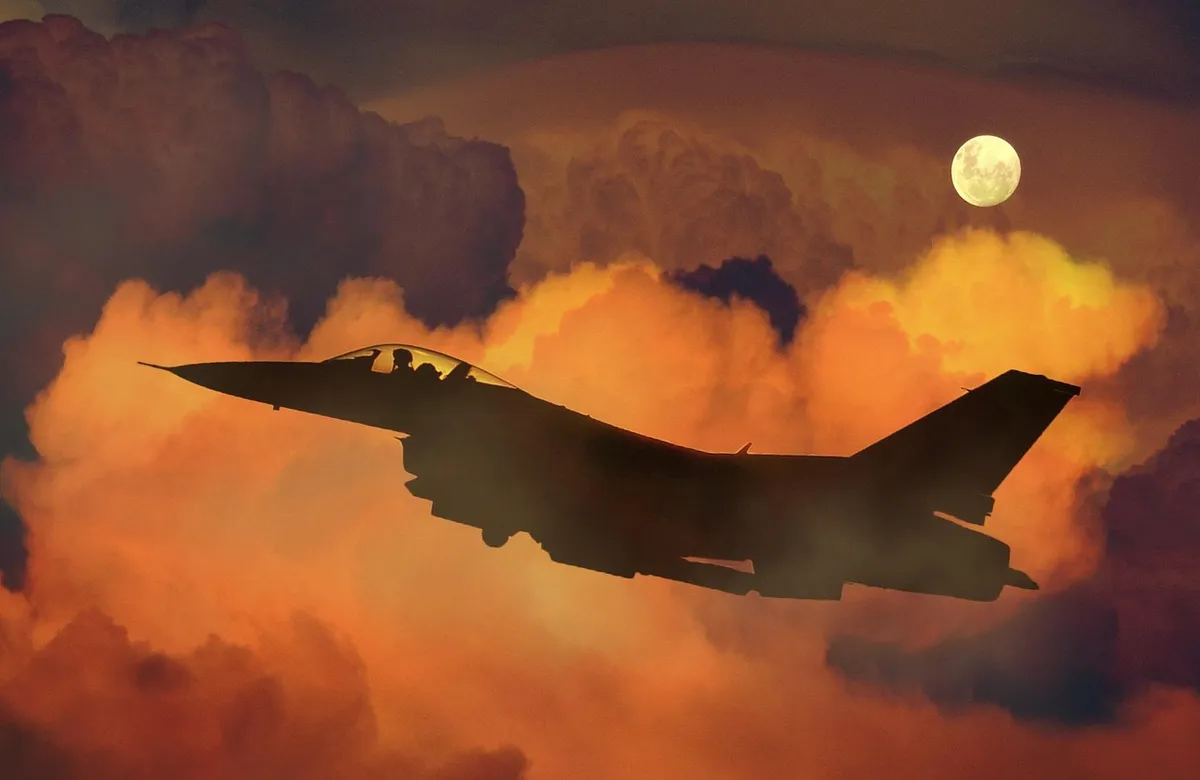
Pilot G-load tolerance must account for these changes in aircraft weight and balance.
| Era/Model | Characteristic | Feature |
|---|---|---|
| Early Biplanes | Wooden frame/fabric | 100 mph max speed |
| WWII Monoplanes | All-metal | 400 mph approaching speed |
I remember looking at the old technical manuals and seeing how much the weight of weaponry changed the flight profile.
The history of flight shows a constant battle between engine power, weight, and the physical limits of the pilot.
The addition of heavy munitions shifted the center of gravity, requiring more complex flight control adjustments.
The same subject is also called Six G human impact.
This part also covers G-suit countermeasures.
Related
- Global defense scale: 185 countries Neutrality in tech age
- Key criteria for modern weapon systems: Five essential
How did the pilot manage G-forces in early versus modern aircraft?
The pilot in early aircraft experienced minimal physical strain because the speeds achieved were low. In contrast, the modern pilot faces extreme physiological stress when the aircraft generates high G-loads.
- The early machine lacked the power and structural strength to induce significant G-forces. 2. Modern high-performance flight demands that the pilot's body withstand forces approaching physiological limits.
What factors dictated the shift in aircraft design philosophy?
The primary driver behind the aircraft's physical structure was the need to handle increased power and speeds. The pilot's ability to survive the forces generated by the engine dictated the airframe's necessary robustness.
- Engine power increases necessitated a move from light, fragile structures to heavy, high-performance machines. 2. The need to manage the forces generated by powerful engines drove the transition from wood to metal construction.
The pilot, pulling back on the stick, felt the culmination of these design compromises in the aircraft's response to control inputs.




Comments 0