Key criteria for modern weapon systems: Five essential elements – striking accuracy and
In weapons systems, "accuracy" and "speed" are the most critical factors in performance evaluation. In modern warfare, as strike accuracy increases and enemy redeployment and response capabilities become faster, the outcome of battles depends on how quickly a weapons system can detect, identify, and engage targets with precision. This article outlines five key elements that define accuracy and redeployment speed, providing practical criteria and design principles. Each section focuses on essential considerations for the operation and development of actual weapons systems.
1. Foundation for Accuracy: Positioning Precision and Continuous Data Updates
Accurate strikes require continuous, precise target location information. This goes beyond simple GPS coordinates. Precise altitude, bearing, and relative speed must be reflected in real-time, especially to prevent information errors from accumulating in complex terrain or weather conditions. Modern weapons systems typically employ "multi-source fusion" technology, integrating information from multiple sources such as aircraft, satellites, and ground sensors. In this process, satellite-based precision guidance (PNT) and ground-based radar or electronic warfare surveillance networks work synergistically. Accuracy is significantly influenced not by the error of a single sensor, but by the performance of a multi-data fusion and reliability assessment system (e.g., error analysis based on estimates).
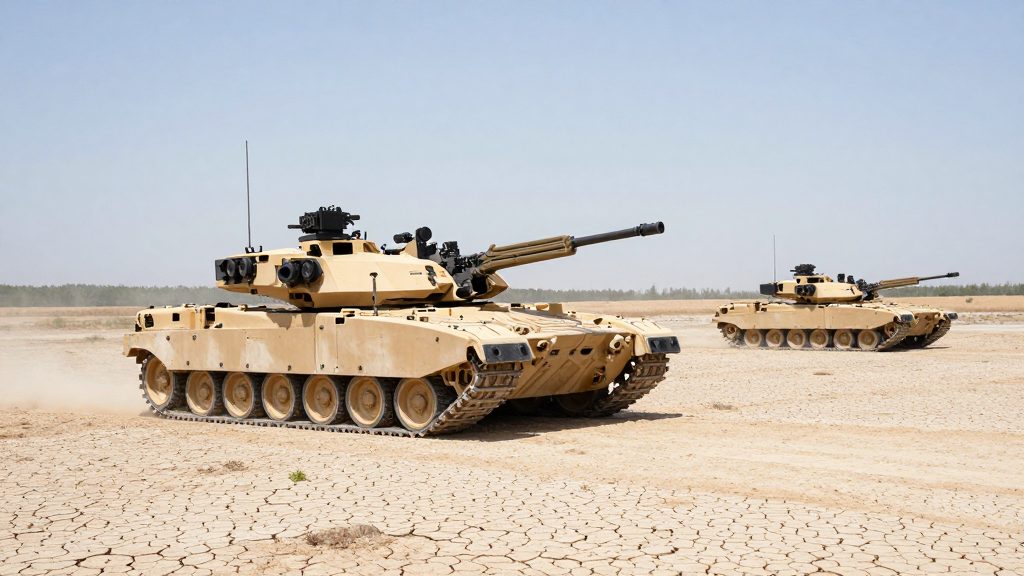
2. Criteria for Rapid Tactical Redeployment: Relocation, Installation, and Trajectory Adjustment Time
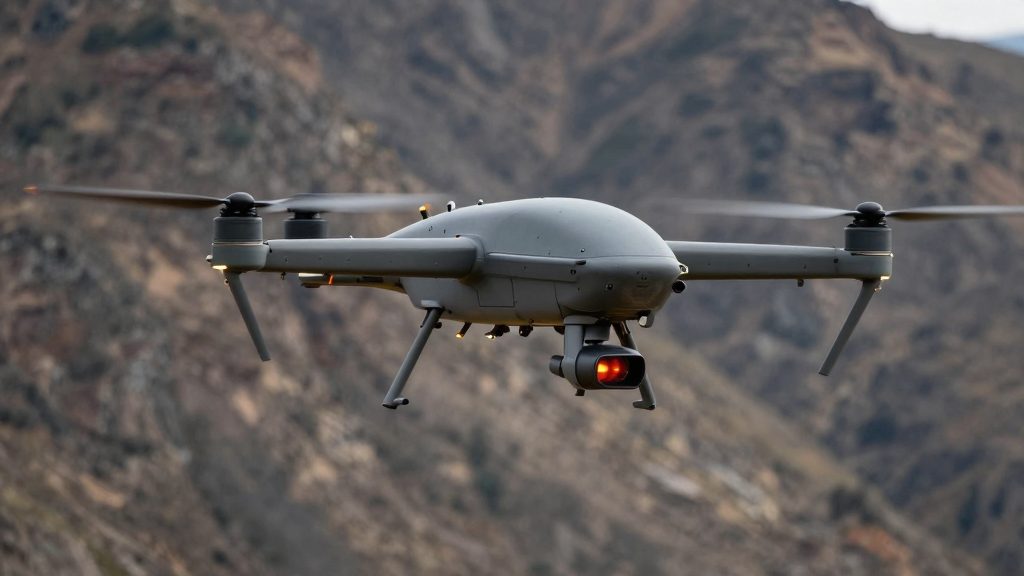
One of the defining characteristics of modern warfare is the "rapid movement and redeployment of enemy forces." Therefore, a weapons system's precision strike capability can be evaluated by its ability to relocate within 3 minutes after installation. This is a crucial tactical indicator. For example, mobile launch systems must be able to move within a certain range, re-confirm the target, and adjust their trajectory. An automated target tracking system is essential for this process. Ideally, within 1 minute after installation, the integrated radar or camera should recognize the target, and within 2 minutes, a precision guidance algorithm should adjust the warhead's direction. Any delay in this process diminishes the meaning of a precision strike.
3. Tactical Flexibility: Redeployment Capability After Strike and Mobile Base Infrastructure
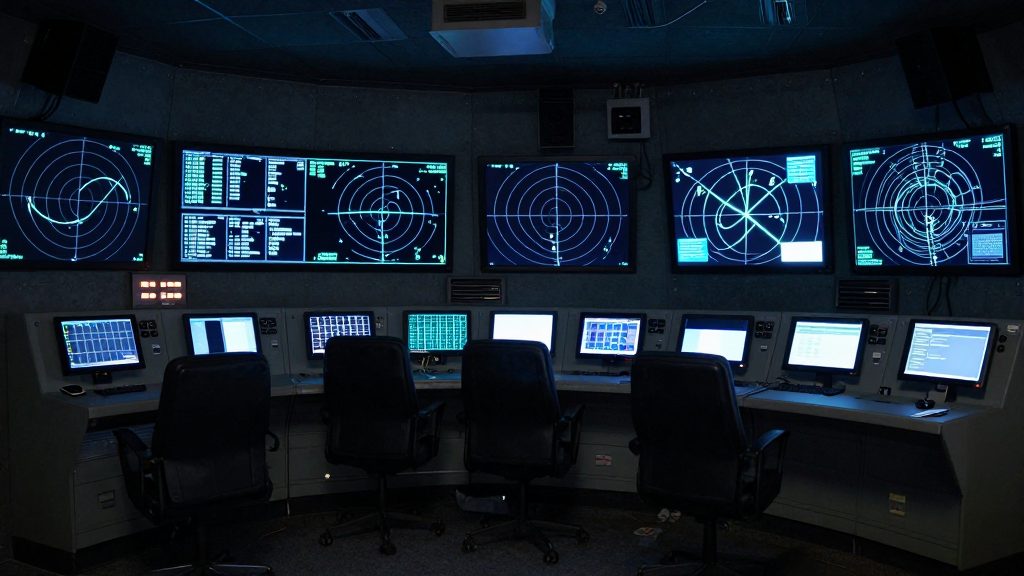
To maintain tactical superiority, a weapons system must be able to immediately relocate after an accurate strike. In particular, mobile launch systems (e.g., missile launchers) that can provide continuous target guidance should be able to relocate within 10 minutes after the strike. Key factors to consider include: mobility based on road and terrain conditions, structural robustness of the platform (ability to absorb vibrations caused by earthquakes or weather changes), and dual locking mechanisms that maintain mechanical precision during movement. Some weapons systems automatically detach from the base after a strike, and an automatic vertical locking auxiliary device maintains the alignment of the projectile during movement. This infrastructure is a key element in determining tactical flexibility.
2. Implementing Intelligent Strike Systems: Self-Assessment and Early Prediction Capabilities
Modern weapons systems are not simply "tools" that execute strike commands; they incorporate intelligent systems that analyze target behavior to automatically determine the optimal time for a strike. For example, if a target consistently moves along a specific route during certain times, the system can learn this pattern and make a strategic decision to strike when the target is in motion. This ability to "not wait for the target, but strike at the most opportune moment" provides a high level of tactical threat avoidance. The core of this capability lies in behavior prediction algorithms and an integrated real-time situational awareness network (e.g., sensor-computing integration). Without these two elements functioning properly, the concept of intelligent strikes is meaningless.
3. Information Security and Electronic Warfare Countermeasures: Ensuring the Integrity of Strike Commands
Accuracy and redeployment speed depend on information integrity. Therefore, security is essential to prevent strike commands from being vulnerable to false signals or external manipulation. In particular, mobile weapons systems often receive commands via wireless communication channels, making them susceptible to electronic warfare (EW) attacks. Therefore, weapons systems must incorporate multi-stage authentication protocols (e.g., location-based multi-factor authentication), encrypted transmission protocols, and self-healing data transmission pathways. If security is weak, strike commands can be intercepted or tampered with, leading to inaccurate strikes or even friendly fire during combat.
4. Environmental Adaptability of Ground-Based Strike Systems: Realism of Relocation and Installation Conditions
The performance of mobile weapons systems can vary significantly depending on the environment. For example, in snowy terrain or desert areas prone to sandstorms, errors can increase during movement due to variations in the control system, or it may be difficult to ensure stability when installed at a base. Therefore, the environmental adaptability of a weapons system should be evaluated based on factors such as: platform stability based on ground compression strength, sensor error correction capabilities due to temperature changes, and structures that prevent sensor contamination by sand or snow. In actual operation, continuous performance verification is achieved through terrain-specific simulations. Weapons systems intended for use in extreme climates should prioritize this aspect in their design.
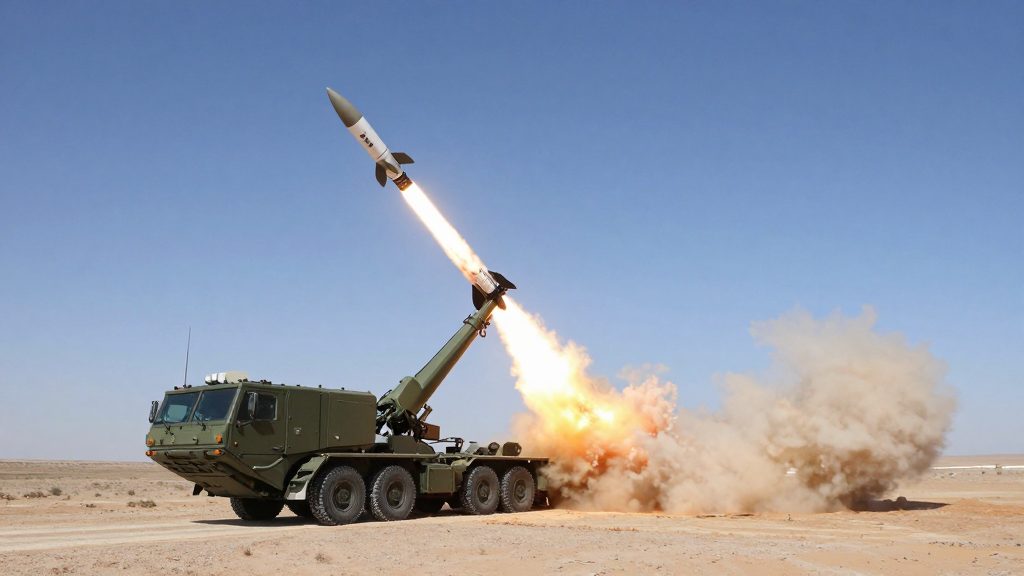
5. Tactical Deployment Strategy: Interconnectivity and Information Sharing Among Multiple Systems
A single weapons system alone cannot guarantee effective strikes in modern warfare. Real-time information sharing among multiple systems is essential to maximize strike effectiveness. For example, if one system detects a target, another can use that data to develop a backup strike plan and launch at the precise moment. This is achieved through a strike planning narrative integration system (e.g., automatic recommendation of strike candidate targets), and the efficiency of tactical deployment depends on the response speed and reliability of this network. In particular, when operating as part of a multinational coalition, multi-language interfaces and standardized information formats (e.g., based on NATO's STANAG) are essential.
Modern weapons systems are not simply launch platforms; they are intelligent systems based on information processing capabilities and tactical adaptability. Accuracy and redeployment speed are their core metrics, and they are fundamental conditions that determine success in actual combat. Therefore, designers and operators must comprehensively evaluate the basis for accuracy, the realism of redeployment, security, and environmental adaptability, and a comprehensive assessment that considers the entire tactical ecosystem is necessary, rather than focusing on a single function.
Related posts

How to effectively evaluate the key components of combat support weapon systems.

Performance standards for tactical weapons: Three key elements are ballistics, accuracy
Field-Deployable Rifles: M4A1 vs. AK-74 (Comparison of Current Main Battle Rifles)
A Comparison of Russian-made vs. Chinese-made Small Arms: A Look at Performance in
Popular posts
How to effectively evaluate the key components of combat support weapon systems.
Performance standards for tactical weapons: Three key elements are ballistics, accuracy
Field-Deployable Rifles: M4A1 vs. AK-74 (Comparison of Current Main Battle Rifles)
Comments 0