The development of South Korea's weapon systems and the direction of future military
<!--img--> 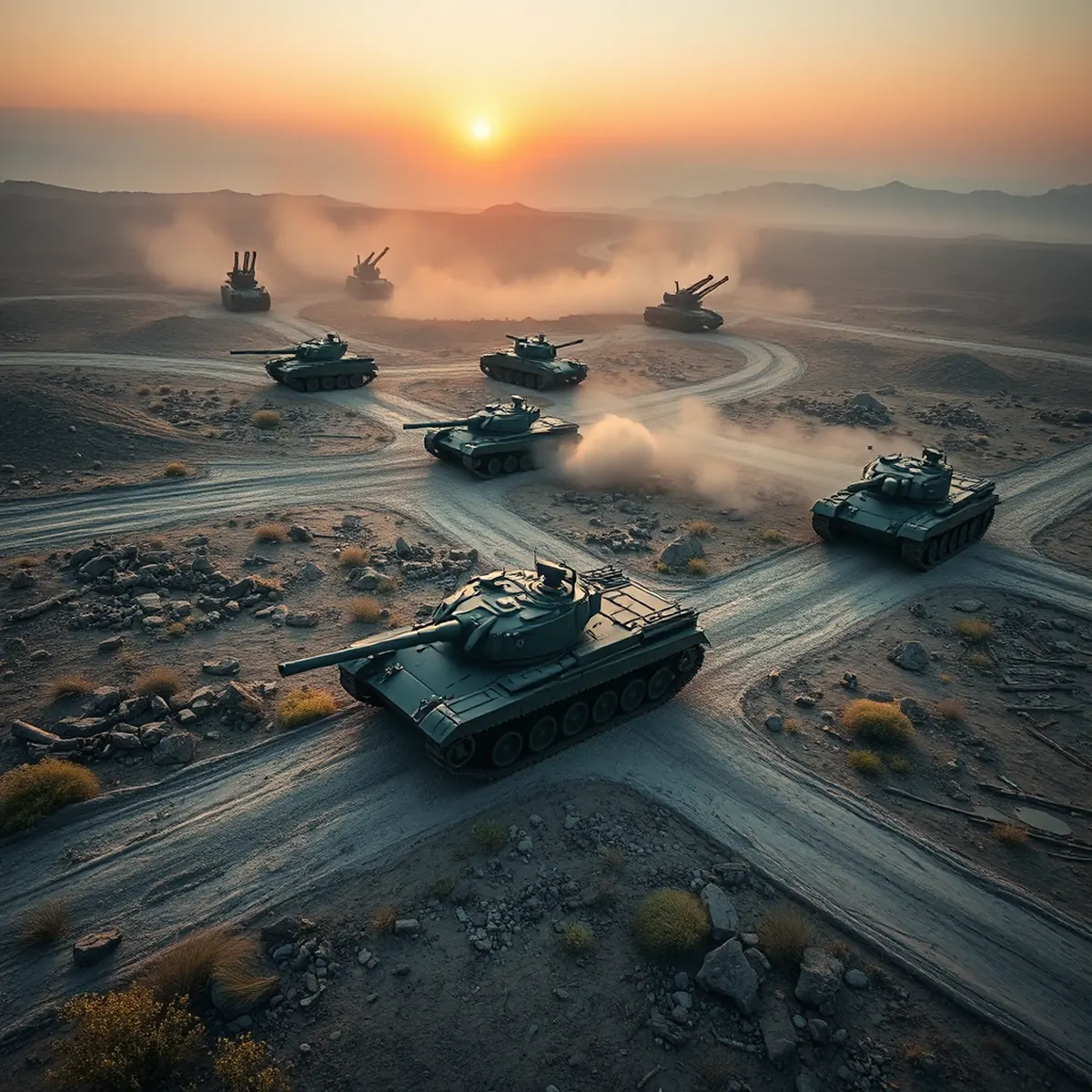
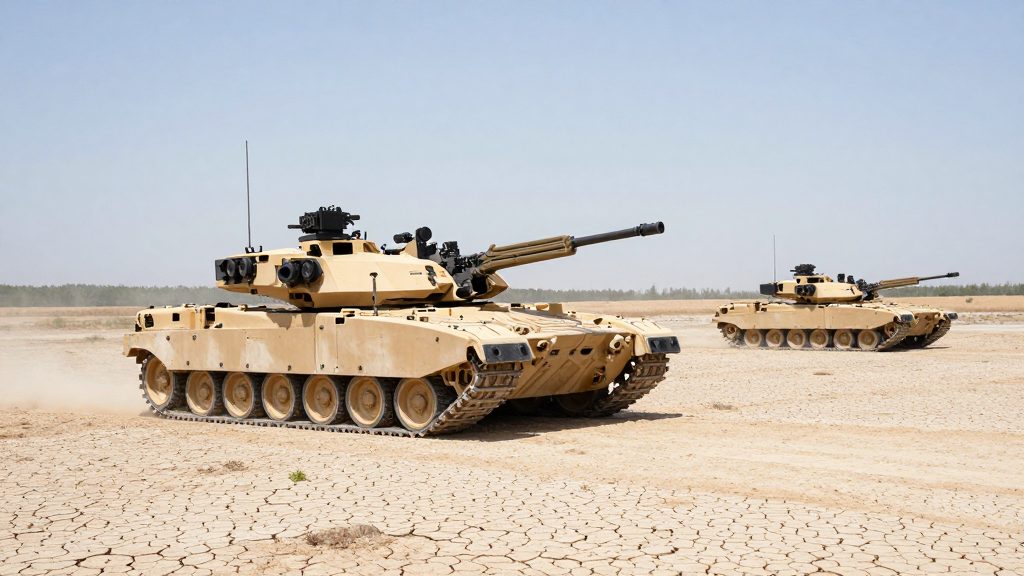
Since the mid-20th century, South Korea has continuously strengthened its defense capabilities based on rapid industrialization and technological advancements. In particular, since the 1980s, through the growth of domestic defense companies and government-led policies to promote indigenous development, South Korea has gradually shifted from relying on imported weapons systems to developing them domestically. This process has allowed South Korea to establish a defense industry base comparable to that of major powers, resulting in domestically produced weapons systems such as the K-2 tank, K-9 self-propelled howitzer, and K-310 multiple rocket launcher, which have gained competitiveness in the global market. However, South Korea's current defense strategy goes beyond simply possessing defensive weapons systems; it focuses on "transforming its forces for the future" to secure strategic autonomy and dominance. This article aims to summarize the development process of South Korean weapons systems and the core directions of this future force transformation.
Development and Achievements of Domestic Weapons Systems
South Korea's defense industry has steadily built its capabilities through numerous projects initiated in the early 1980s based on the "self-reliant defense" policy. Starting with the development of the K-1 tank in 1982, the 1990s saw the development of weapons systems such as the K-2 tank and the K-55 towed gun. Notably, the K-9 self-propelled howitzer, developed by Korea Electronics Industries (now Hanwha Defense) in 1993, was deployed in 1998 and has since been exported to various countries around the world, gaining recognition in the international market. In 2014, the K-310 multiple rocket launcher was developed, providing a new artillery system capable of effectively engaging targets at longer ranges than previously possible with existing 122mm artillery.
These achievements not only signify the success of weapons development but also represent a significant improvement in the level of domestic engineering technology and production systems. In particular, since the 2010s, South Korean weapons systems have established a competitive edge in overseas markets under the "K-Defense" brand, and as of 2023, the total export value exceeded approximately 8 trillion won. This has made a significant contribution to reducing external dependence and enhancing the self-sufficiency of the defense economy.
Transitioning to "Future Forces" Beyond Traditional Force Structures
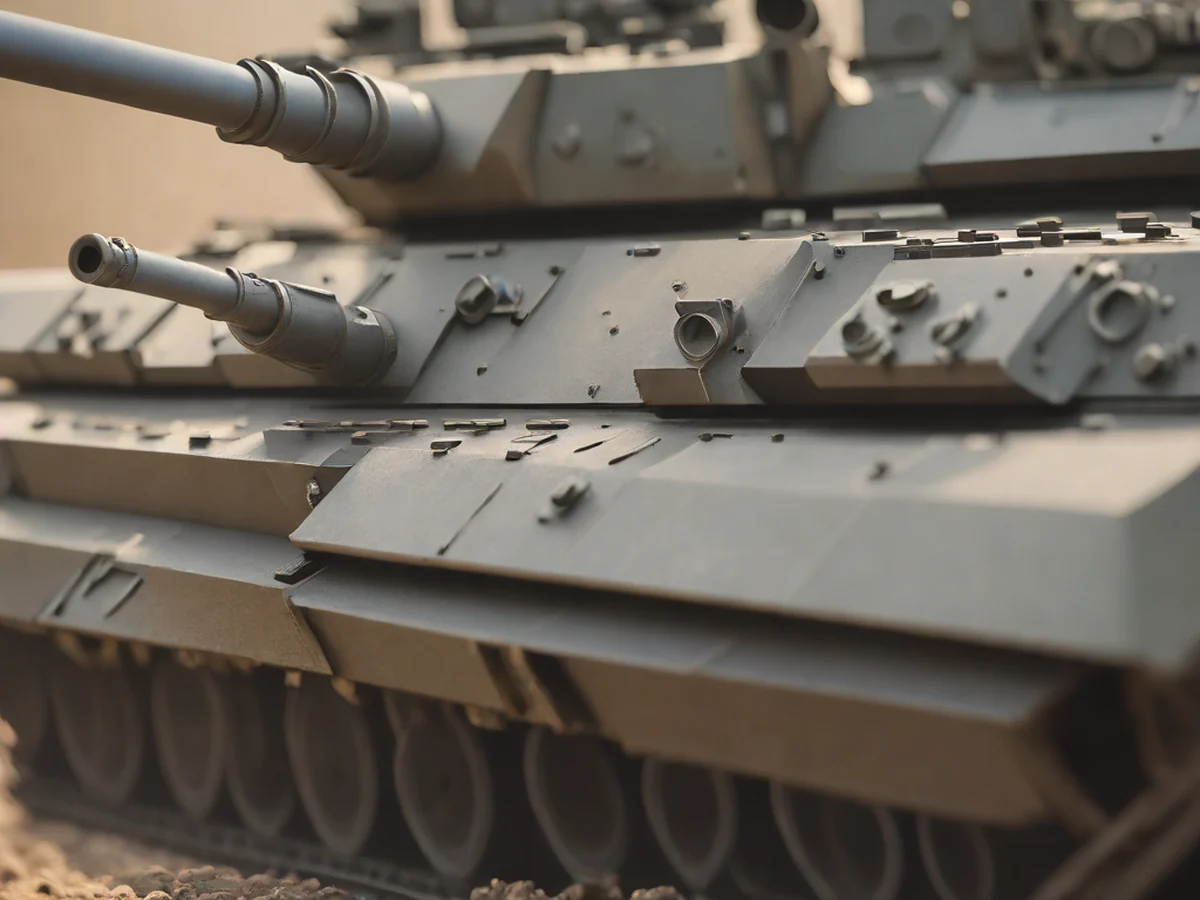
South Korea's defense strategy is no longer limited to simply possessing physical weapons such as fighter jets, tanks, and ships. The "Defense Budget of 8 Trillion Won Era" plan announced by the Ministry of National Defense in 2021 marks the beginning of a full-fledged transformation of its forces to prepare for paradigm shifts in future warfare. This signifies an evolution beyond the traditional "fleet-amphibious-ground forces" centered military strategy towards a multi-domain warfare approach.
One of the most prominent changes is the preparation for potential nuclear weapons and nuclear attacks. Since 2017, with the acceleration of North Korea's nuclear and missile development, South Korea has been striving to secure the largest tactical nuclear response capability in the region. In 2023, during a joint exercise with the United States, South Korean forces demonstrated "nuclear strike coordination" as part of a combined operation, signaling the strategic flexibility of the South Korean military.
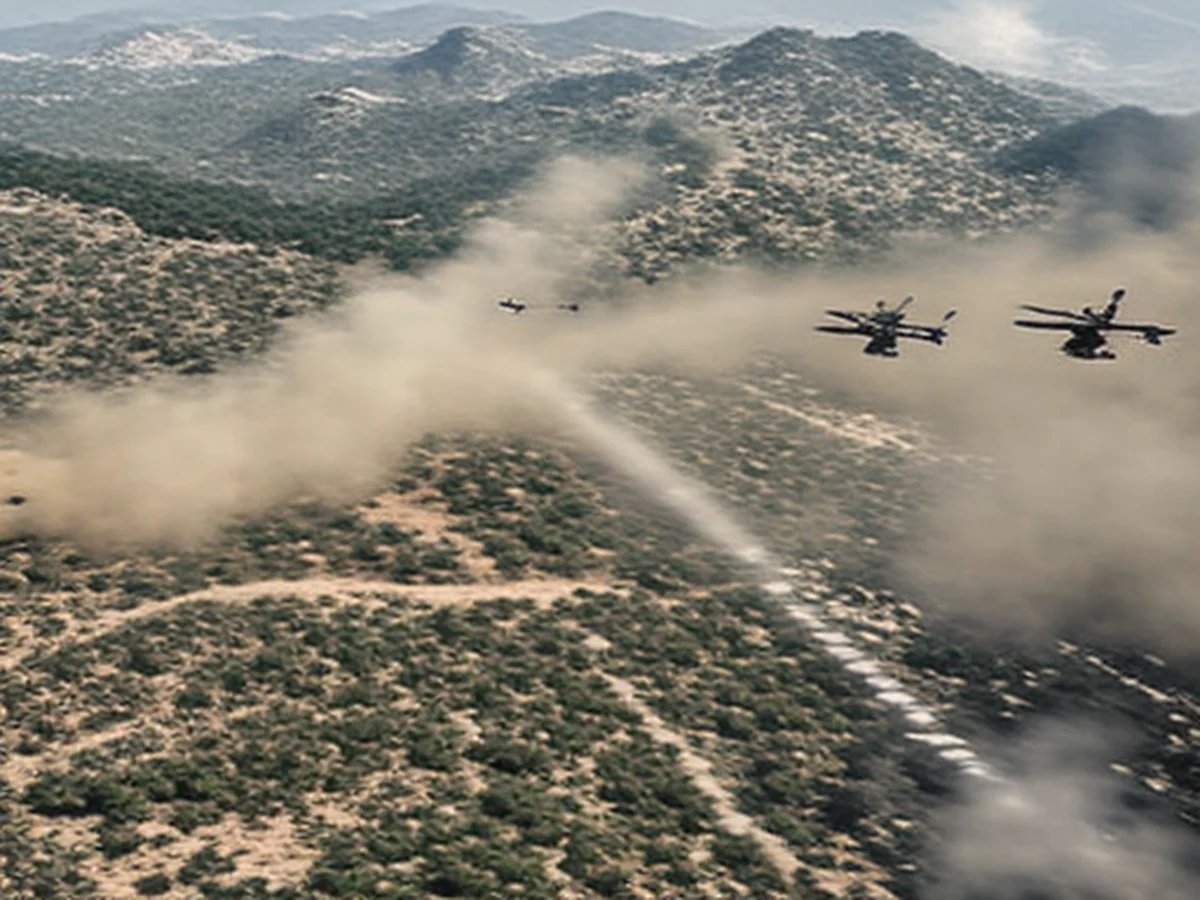
Furthermore, the development and deployment of "intelligent combat systems" utilizing unmanned platforms (UAVs, UGVs, USVs) are also accelerating. By 2025, South Korea plans to possess over 1,000 unmanned aerial vehicles for national defense and continuous surveillance. This represents a shift away from traditional manpower-centric structures towards combat systems based on "data and artificial intelligence." For example, the use of UAVs for reconnaissance and strikes can reduce casualties and enable faster decision-making and response on the battlefield.
Increasing Importance of Information Warfare and Cyber Capabilities
In modern warfare, competition in the information and cyber domains is a critical factor, often more decisive than traditional land, sea, and air combat. In 2017, South Korea established the "Cyber Command" within the military to build systematic capabilities to respond to national information security threats. Subsequently, in 2021, the country released its "Cyber Security Strategy" and focused on preventing information leaks and protecting infrastructure.
In particular, with an increase in cyber attacks from China and Russia in 2023, South Korea is integrating its "self-developed cyber defense systems" (e.g., cyber threat detection and blocking platforms) into the overall defense system. This goes beyond simple defensive measures and aims to secure offensive cyber warfare capabilities, demonstrating a desire to be at the forefront of "information warfare." Information strategy has become an essential element across all aspects of defense.
Conclusion
Since the latter half of the 20th century, South Korea has secured technological self-sufficiency through the development of domestic weapons systems. In the 21st century, it is restructuring its force structure to adapt to the characteristics of future warfare. Future forces are no longer defined solely by "fighter jets" or "artillery." Moving away from a manpower-centric approach, they are evolving into intelligent systems that combine unmanned platforms, artificial intelligence, and cyber warfare capabilities. This demonstrates that the South Korean military is growing into a force centered on "autonomous strategic decision-making" rather than simply relying on self-reliant defense. Over the next decade, South Korea must continue to promote this "transformation of its forces" in order to firmly establish itself as a leading global defense supplier.
<!--enr--> ## Quick Comparison
| Category | Item A: Past and Present Weapon System Development | Item B: Future Power Transition Direction |
|---|---|---|
| Core Objective | Achieving technological self-reliance and export competitiveness through domestic weapon development | Ensuring strategic autonomy and readiness for multi-domain warfare |
| Major Weapon Systems | Domestic-focused systems such as K-2 tank, K-9 self-propelled howitzer, and K-310 rocket launcher | Unmanned systems (over 1,000 drones), AI-driven combat systems |
| Force Structure | Traditional land-sea-air physical warfare structure | Integrated multi-domain forces combining information, cyber, and intelligent combat systems |
| Key Technologies | Advanced domestic production and engineering capabilities | Artificial intelligence, cyber defense systems, nuclear attack response capability |
| Strategic Characteristics | Reduced external dependency, enhanced defense economic self-sufficiency | Shift toward rapid decision-making and data-driven operations on the battlefield |
Frequently Asked Questions (FAQ)
Q1. When did South Korea's indigenous weapons systems development significantly accelerate? South Korea’s indigenous weapons development was formally launched in the early 1980s under its "self-reliant national defense" policy. It began with the development of the K-1 tank in 1982, followed by the K-2 tank and K-9 self-propelled howitzer in the 1990s, enabling substantial growth in technological capabilities.
Q2. What has been South Korea’s performance in defense equipment exports? As of 2023, South Korea's defense export value exceeded KRW 8 trillion. Systems such as the K-9 self-propelled howitzer and K-310 rocket launcher have gained competitive strength in global markets, helping establish the "K-Defense" brand and significantly raise international recognition.
Q3. What are the core technologies South Korea is advancing for future force transformation? Key technologies driving future military transformation include large-scale deployment of unmanned systems (drones, ground and maritime unmanned vehicles), AI-powered data-driven combat systems, and enhanced cyber defense and offensive capabilities. South Korea plans to possess over 1,000 unmanned aircraft by 2025.
Q4. How is South Korea strengthening its cyber warfare capabilities? South Korea established a dedicated Cyber Command within the military in 2017 and released its "Cybersecurity Strategy" in 2021. It has integrated domestically developed cyber threat detection and blocking platforms into its defense systems. This effort aims not only at defensive responses but also to build offensive cyber warfare capabilities.
Popular posts
How to effectively evaluate the key components of combat support weapon systems.
Key criteria for modern weapon systems: Five essential elements – striking accuracy and
Comments 0